Voynich Phytoglyphica

Annotated Folio Pages — 35 Botanical Entries — Imscribing Grammar Structural Analysis

Plant images embedded (self-contained) · VMS folios: Yale Beinecke IIIF · Morphological derivation · Preparation protocols

Folio 01
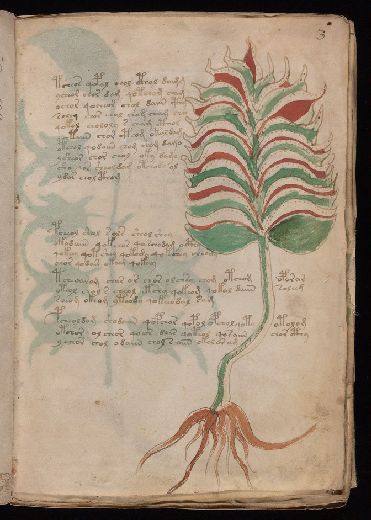
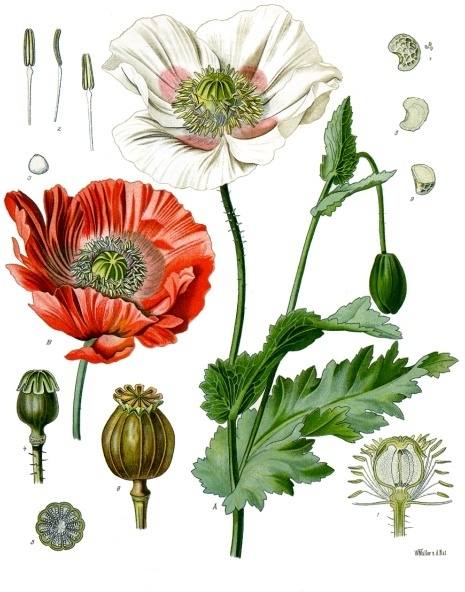
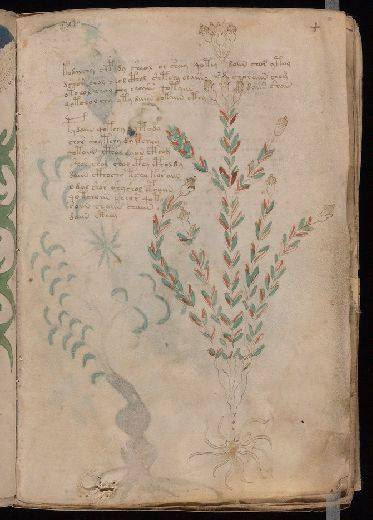
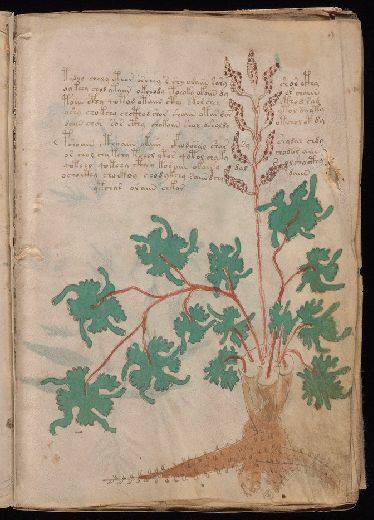
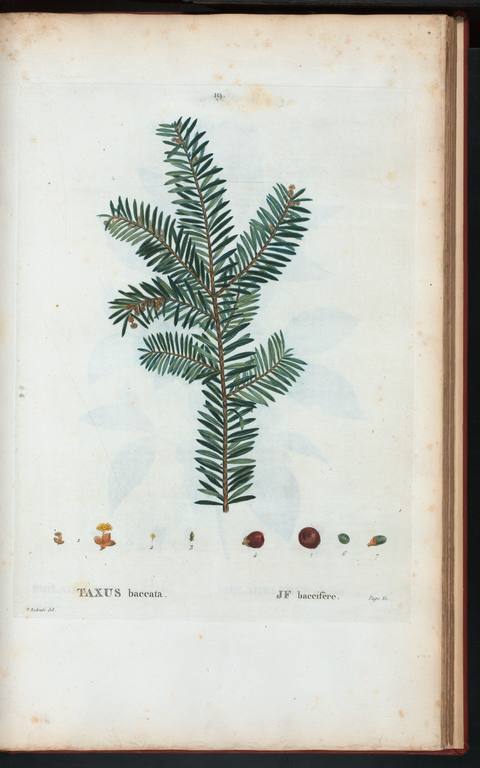
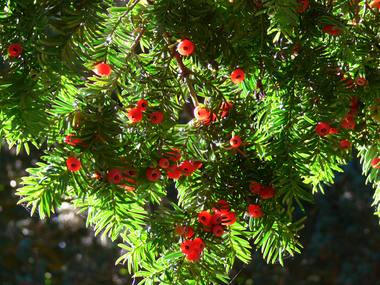
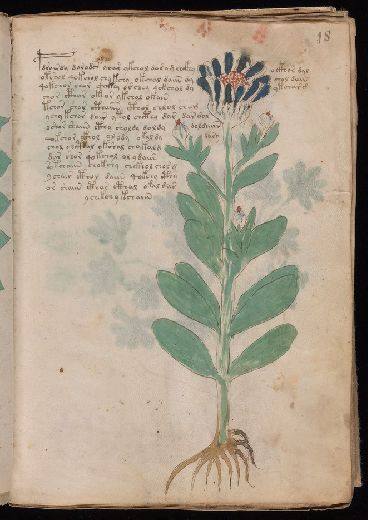
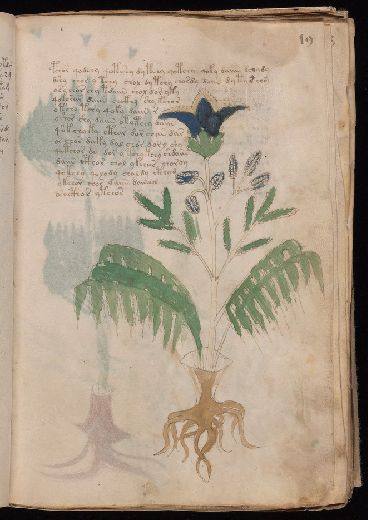
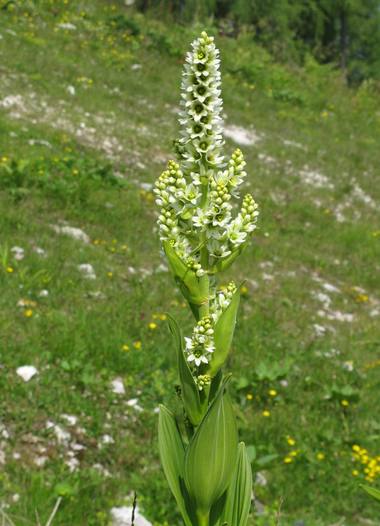
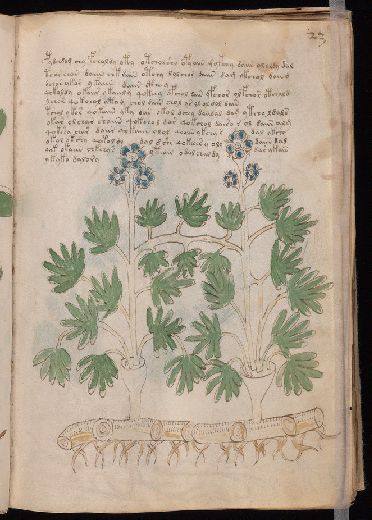
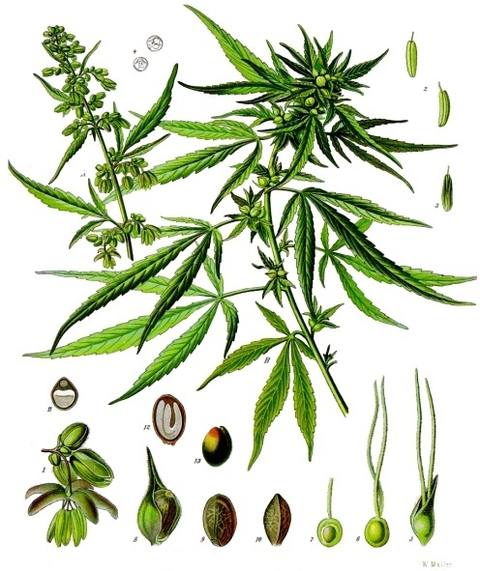
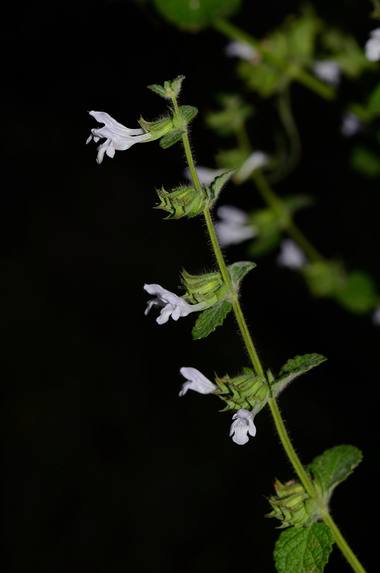
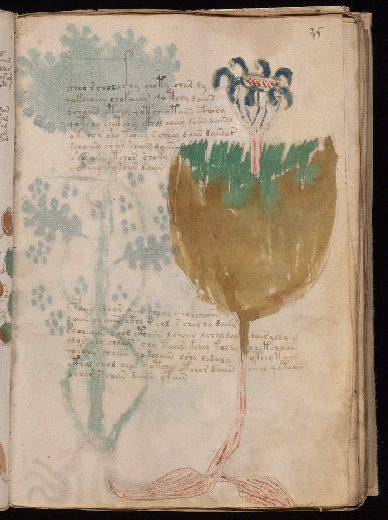
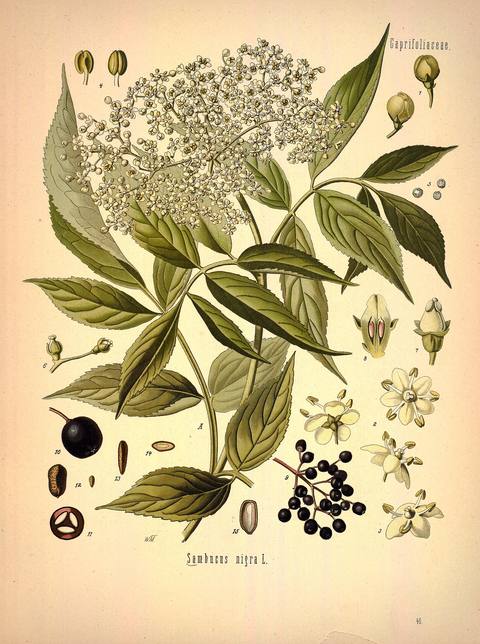
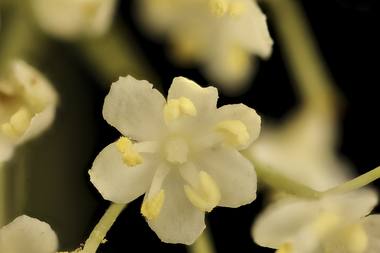
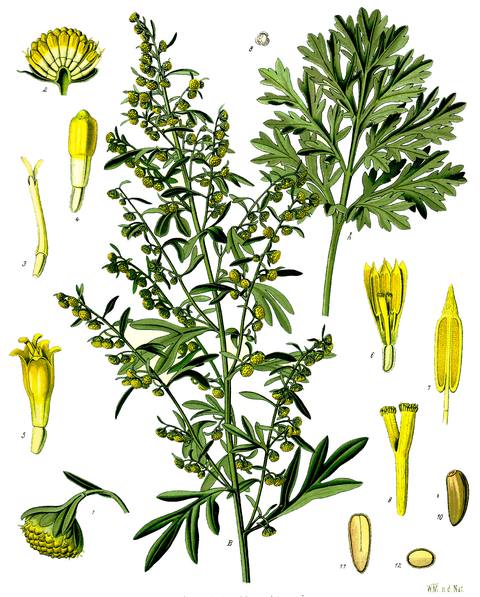
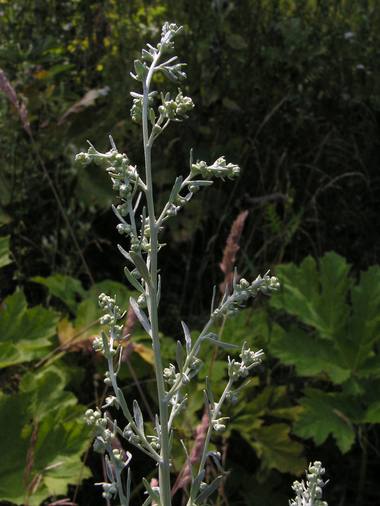
Artemisia absinthium L. botanical illustration Artemisia absinthium L. photograph
Artemisia absinthium L.
Grand Wormwood
MS 408 · f1r · Yale Beinecke
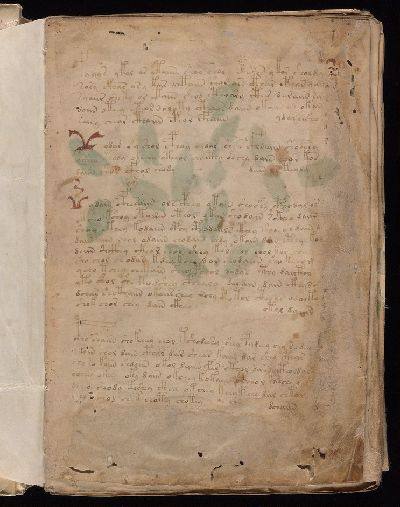
Voynich f1r
f1r · CC0 · Yale Beinecke MS 408
01
Artemisia absinthium L.
Grand Wormwood · Asteraceae
IG catalog
IG Structural Type
ÐDimensionality𐑦ÞTopology𐑸ŘRecognition𐑾ΦParity𐑬ƒFidelity𐑱ÇKinetics𐑤ΓGranularity𐑔ɢCoupling𐑠CriticalityĦChirality𐑖ΣStoichiometry𐑳ΩWinding𐑭
Gate Analysis
Gate 1 ROTR
steam/solvent rotation separates volatile from aqueous fraction without chemical modification
Gate 2 bitterness or aroma threshold verifies extraction completeness
Gate 3 Omega=1 integer (single extraction pass from Fibonacci phyllotaxy)
VMS Section Distances
astronomical
0.0000
botanical
0.9888
biological
0.7642
pharmaceutical
0.9888
cosmological
0.0000
recipe
1.1426
Pharmacy Profile
Potency tiersumma
d(astronomical)0.0000
Closest VMS sectionastronomical
Gate 1 opcodeROTR
Morphological Derivation
Morphological feature Primitive Derivation
Alternate pinnate-pinnatifid leaves, 2/5 Fibonacci phyllotaxyΩ=integerOne winding per two-leaf cycle; single extraction pass mandated
Silver-white tomentum — dense woolly trichomes on both surfacesŘ=highMacroscopic recognition by texture alone; trichomes are also the volatile reservoir
Glandular trichomes (capitate, sessile) containing thujone + absinthinÇ=steamThermal rupture of glandular heads releases monoterpene thujone into vapour phase
Absinthin (C30H40O5): symmetric meso sesquiterpene lactone dimerĦ=lowMeso configuration cancels chiral activity; low net optical rotation
Moderate alkaloid loading in leaf; 1:5 menstruum covers herb at standard densityΣ=standard1:5 herb-to-solvent ratio for full bitter extraction
Preparation
Collect aerial parts at early flowering (pre-capitulum opening). Steam-distil or macerate in 45% EtOH for 14 days. The ROTR gate operates on the tomentum layer: steam penetrates wool, ruptures glandular trichome heads, and carries thujone into the distillate while absinthin remains in the aqueous marc. Gate 2 confirmation: bitter threshold on tongue at 0.5 ppm absinthin (persistence >30 s confirms intact lactone). Decant, press marc; combine fractions. Dose: 2 mL tincture 2x daily.
Folio 02
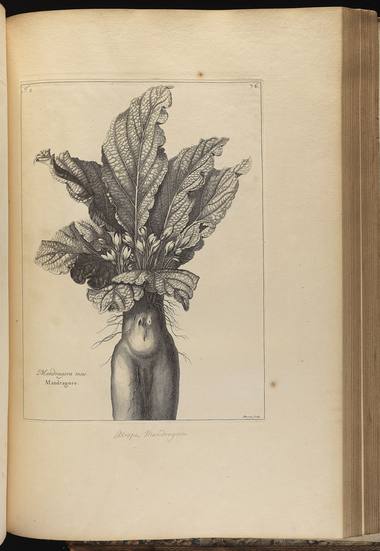
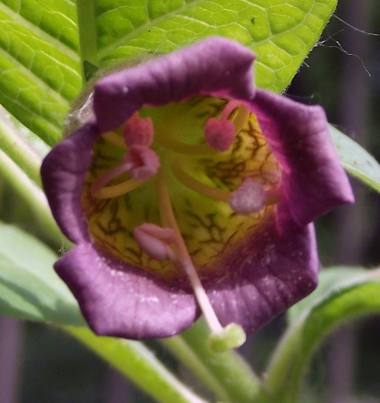
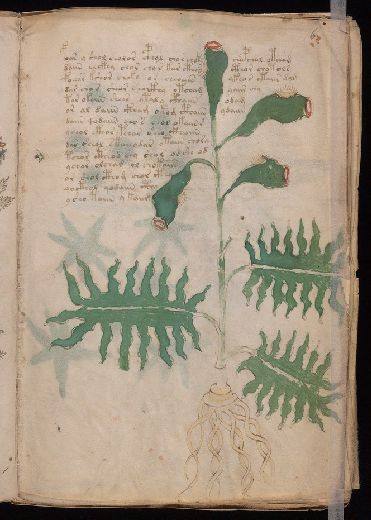
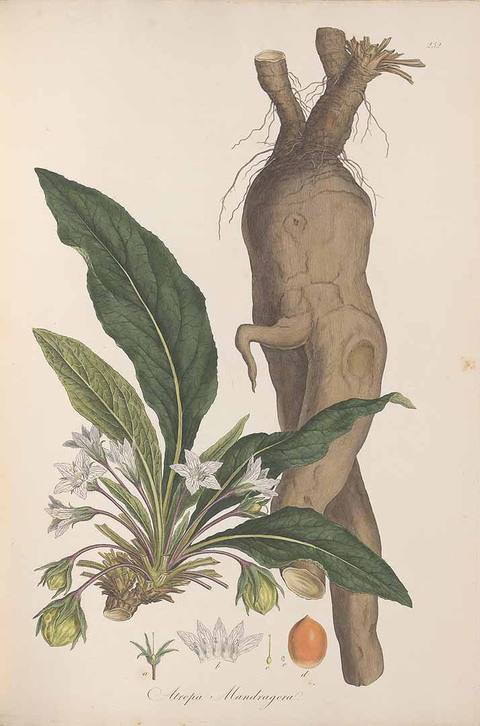
Mandragora officinarum L. botanical illustration Mandragora officinarum L. photograph
Mandragora officinarum L.
Mandrake
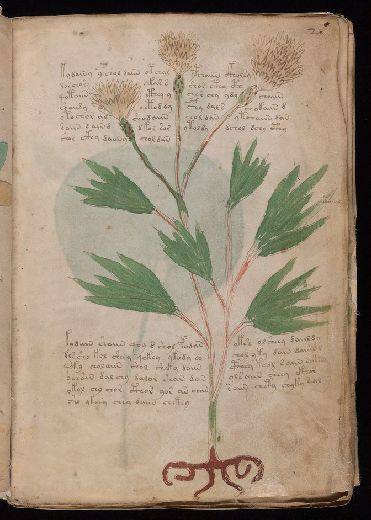
MS 408 · f2r · Yale Beinecke
Voynich f2r
f2r · CC0 · Yale Beinecke MS 408
02
Mandragora officinarum L.
Mandrake · Solanaceae
IG catalog
IG Structural Type
ÐDimensionality𐑦ÞTopology𐑸ŘRecognition𐑾ΦParity𐑬ƒFidelity𐑱ÇKinetics𐑤ΓGranularity𐑔ɢCoupling𐑠CriticalityĦChirality𐑖ΣStoichiometry𐑳ΩWinding𐑴
Gate Analysis
Gate 1 FSPLIT / FFUSE
preparation bifurcates into two pharmacologically distinct streams; recombination possible (Z2)
Gate 2 alkaloid ratio verifies arm purity
Gate 3 Omega=1 integer (single extraction pass from Fibonacci phyllotaxy)
VMS Section Distances
astronomical
0.2789
botanical
0.9487
biological
0.7115
pharmaceutical
0.9487
cosmological
0.2789
recipe
1.1081
Pharmacy Profile
Potency tieralta
d(astronomical)0.2789
Closest VMS sectionastronomical
Gate 1 opcodeFSPLIT / FFUSE
Morphological Derivation
Morphological feature Primitive Derivation
Basal rosette — leaves spiral outward from central taproot crownΩ=integerRosette is a 2D Archimedean spiral; one revolution = one extraction winding
Massive forked taproot, anthropomorphic, with dense cortical alkaloid layerŘ=highRoot morphology is the canonical VMS recognition token; alkaloids in cortex not xylem
Tropane alkaloids (hyoscine, hyoscyamine) in root cortex: water-soluble, thermolabileÇ=cold-oralHeat isomerises l-hyoscyamine to atropine; cold extraction preserves l-enantiomer
Hyoscine (3 stereocenters) + hyoscyamine (1 stereocenter): high net chiralityĦ=highCombined chiral stack drives narrow enantiomer-sensitive dosing window
Alkaloid density in cortex high; 1:2 dry-root to solventΣ=concentratedCortex strips away from xylem core; concentrated extract from thin layer
Preparation
Slice and dry root cortex (peel away from central woody xylem core — alkaloids are in cortex only). Cold macerate in 25% EtOH for 21 days at 4 C. The ROTR gate: solvent rotates through porous cortex matrix extracting tropanes intact; heating at any step racemises hyoscyamine, doubling anticholinergic potency unpredictably. Gate 2: mydriasis test (1 drop diluted extract to conjunctiva; pupil dilation confirms l-hyoscyamine at therapeutic level). Press, filter. Dose: 0.5 mL 1x daily maximum.
Folio 03
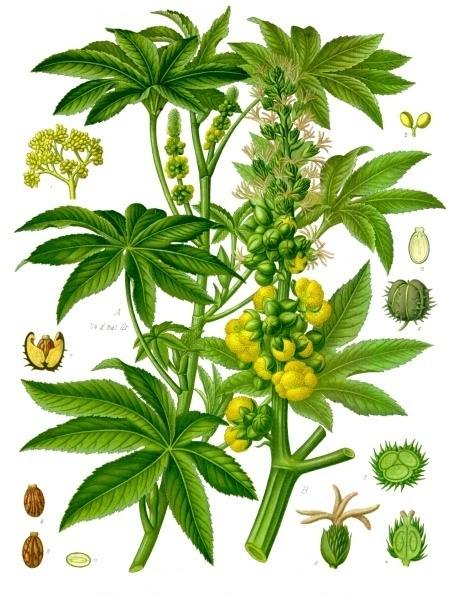
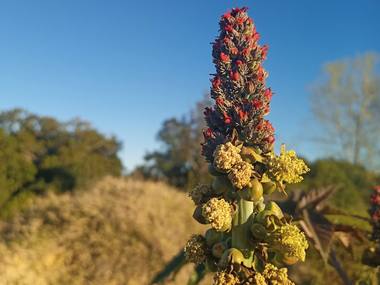
Ricinus communis L. botanical illustration Ricinus communis L. photograph
Ricinus communis L.
Castor Bean
MS 408 · f3r · Yale Beinecke
Voynich f3r
f3r · CC0 · Yale Beinecke MS 408
03
Ricinus communis L.
Castor Bean · Euphorbiaceae
IG catalog
IG Structural Type
ÐDimensionality𐑦ÞTopology𐑸ŘRecognition𐑾ΦParity𐑬ƒFidelity𐑱ÇKinetics𐑤ΓGranularity𐑔ɢCoupling𐑜CriticalityĦChirality𐑖ΣStoichiometry𐑳ΩWinding𐑭
Gate Analysis
Gate 1 XOR
preparation must choose one stream; two outputs mutually exclusive -- no recombination
Gate 2 absence of toxic fraction in product stream
Gate 3 Omega=1 integer (single extraction pass from Fibonacci phyllotaxy)
VMS Section Distances
astronomical
0.2981
botanical
1.0328
biological
0.8203
pharmaceutical
1.0328
cosmological
0.2981
recipe
1.1809
Pharmacy Profile
Potency tieralta
d(astronomical)0.2981
Closest VMS sectionastronomical
Gate 1 opcodeXOR
Morphological Derivation
Morphological feature Primitive Derivation
Seed endosperm: ricin (toxic lectin) in protein bodies; castor oil in separate lipid vacuolesɢ=XORTwo products physically compartmented in same seed; extractable independently, never together
Ricin: 2-chain glycoprotein (A-chain + B-chain), >30 stereocenters; oil: ricinoleic acid, 1 stereocenterĦ=highRicin is among the most stereochemically complex plant proteins; drives high chirality
Palmate leaves with 7-11 lobes, red-tinged growing pointsŘ=highDistinctive lobing pattern is primary visual recognition key in the botanical section
Cell wall rupture (pressing) separates oil from protein-bound ricin immediatelyÇ=press-activatedMechanical gate: press force is the kinetic trigger separating the two streams
Oil stream and ricin stream mutually exclusive; recombination not possibleΩ=integer (XOR path)Once pressed, the two fractions cannot be re-merged; XOR enforces one stream
Preparation
Hull seeds; cold-press endosperm at <60 C. The XOR gate selects the oil stream: pressing ruptures lipid vacuoles releasing ricinoleic-acid-rich oil, while ricin remains bound in the insoluble press cake (protein matrix). Press cake is discarded; cake is never used medicinally. Gate 2: absence of haemagglutination in oil at 1:100 dilution confirms ricin exclusion (ricin agglutinates red cells at sub-ppm level). The XOR is irrevocable — once pressed, no process restores the intact compartmented seed. Dose: 5 mL castor oil orally as cathartic.
Folio 04
Papaver somniferum L. botanical illustration Papaver somniferum L. photograph
Papaver somniferum L.
Opium Poppy
MS 408 · f4r · Yale Beinecke
Voynich f4r
f4r · CC0 · Yale Beinecke MS 408
04
Papaver somniferum L.
Opium Poppy · Papaveraceae
IG catalog
IG Structural Type
ÐDimensionality𐑦ÞTopology𐑸ŘRecognition𐑾ΦParity𐑬ƒFidelity𐑱ÇKinetics𐑤ΓGranularity𐑲ɢCoupling𐑠CriticalityĦChirality𐑫ΣStoichiometry𐑕ΩWinding𐑭
Gate Analysis
Gate 1 ROTR
steam/solvent rotation separates volatile from aqueous fraction without chemical modification
Gate 2 bitterness or aroma threshold verifies extraction completeness
Gate 3 Omega=1 integer (single extraction pass from Fibonacci phyllotaxy)
VMS Section Distances
astronomical
0.6124
botanical
1.1631
biological
0.9793
pharmaceutical
1.1631
cosmological
0.6124
recipe
1.4767
Pharmacy Profile
Potency tiermitis
d(astronomical)0.6124
Closest VMS sectionastronomical
Gate 1 opcodeROTR
Morphological Derivation
Morphological feature Primitive Derivation
Waxy glaucous coat (blue-green bloom) on all aerial surfacesŘ=highGlaucous bloom is the single fastest visual identification feature in the VMS botanical section
Laticifer network threading capsule wall: latex channels under turgor pressureÇ=score-activatedScoring creates wound channel; turgor drives latex outward through the cut — mechanical gate
Morphine: 5 stereocenters (C17H19NO3); thebaine: 3; codeine: 3 — stacked complexityĦ=highOpioid alkaloid family is among the most stereochemically constrained natural products
Latex is near-saturated alkaloid solution; 1:2 herb-to-menstruumΣ=concentratedRaw opium ~10% morphine by weight; concentrated by definition
Alternate clasping leaves, spiral phyllotaxis; single capsule per stemΩ=integerOne stem = one scoring event = one integer winding pass
Preparation
Score unripe capsule wall transversely (5-7 shallow cuts, not penetrating locule) at dusk. The ROTR gate: laticifer turgor pressure drives latex outward through the wound — the cut rotates the chemical mass from internal turgor to external exudate. Collect dried brown exudate (raw opium) next morning. Dissolve in 45% EtOH (1:2 w/v); filter particulates. Gate 2: bitter narcotic taste and characteristic odour of dried latex at target dilution. Gate 3: one scoring cycle per capsule (capsule wall reseals; second scoring yields far less). Dose: 1 mL tincture 2x daily maximum.
Folio 05
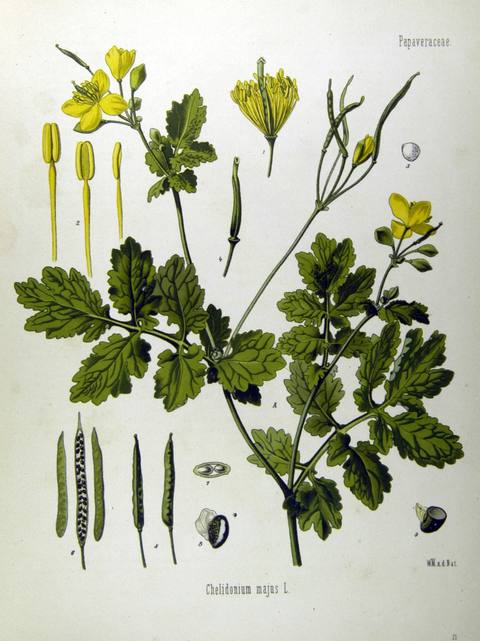
Chelidonium majus L. botanical illustration Chelidonium majus L. photograph
Chelidonium majus L.
Greater Celandine
MS 408 · f5r · Yale Beinecke
Voynich f5r
f5r · CC0 · Yale Beinecke MS 408
05
Chelidonium majus L.
Greater Celandine · Papaveraceae
derived
IG Structural Type
ÐDimensionality𐑦ÞTopology𐑸ŘRecognition𐑾ΦParity𐑬ƒFidelity𐑱ÇKinetics𐑧ΓGranularity𐑔ɢCoupling𐑠CriticalityĦChirality𐑖ΣStoichiometry𐑕ΩWinding𐑭
Gate Analysis
Gate 1 ROTR
isoquinoline alkaloid release via steam or sap activation
Gate 2 orange sap bitterness threshold (chelidonine)
Gate 3 Ω=1 integer (single-pass extraction)
VMS Section Distances
astronomical
0.6830
botanical
0.9487
biological
0.7115
pharmaceutical
0.9487
cosmological
0.6830
recipe
1.1081
Pharmacy Profile
Potency tiermitis
d(astronomical)0.6830
Closest VMS sectionastronomical
Gate 1 opcodeROTR
Morphological Derivation
Morphological feature Primitive Derivation
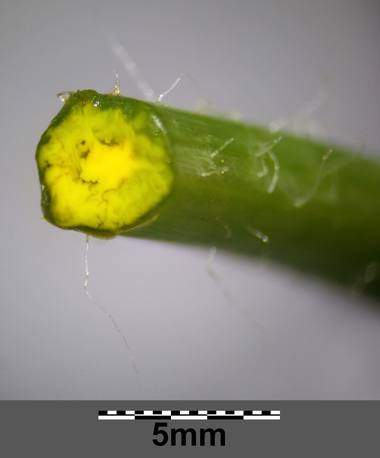
Orange-yellow latex in all aerial tissues, exuding immediately on cutŘ=highColour of fresh-cut latex is the univocal identification marker; no other European herb has this
Laticifer ducts throughout stem and leaf; rupture by heat most completeÇ=steamSteam achieves more complete cell rupture than cold pressing; releases alkaloid fraction fully
Berberine (no stereocenters) + chelidonine (1 stereocenter): low net chiralityĦ=lowBerberine is planar aromatic; chelidonine has 1 center; combined net chirality is low
Pinnately lobed leaves, alternate, Fibonacci spiralΩ=integerStandard Fibonacci phyllotaxy → single extraction winding
~1% alkaloid dry weight: concentrated; 1:3 herb-to-solventΣ=concentratedHigh alkaloid loading relative to leaf mass
Preparation
Harvest aerial parts at flowering. Steam-distil or prepare hot-water decoction (15 min, 90 C). The ROTR gate: steam disrupts laticifer walls, releasing berberine + chelidonine into aqueous phase. Orange colouration of the decoction is the visible confirmation of Gate 1 completion (chelidonine and berberine together produce the colour). Gate 2: persistent bitterness at 1:1000 dilution (chelidonine taste threshold). Cool, filter; use 1:3 aqueous extract. Dose: 1 mL tincture 3x daily (topical: undiluted sap for warts).
Folio 06
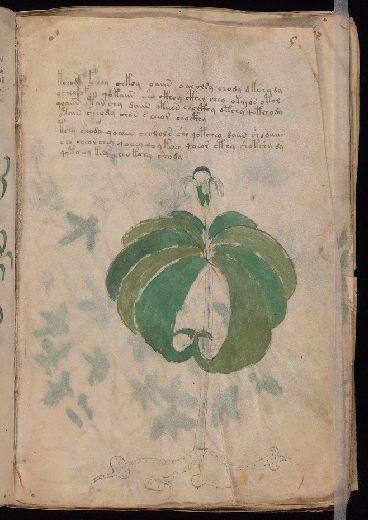
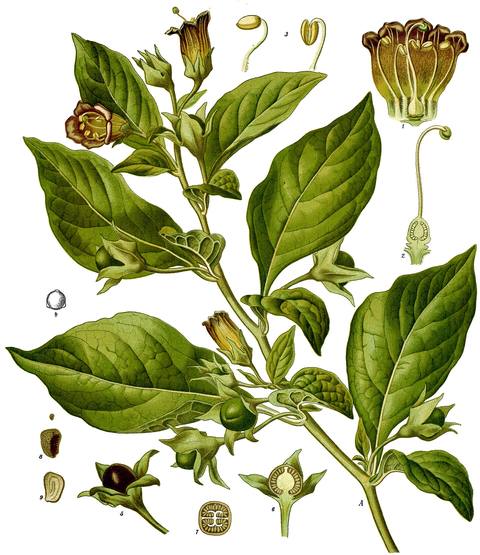
Atropa belladonna L. botanical illustration Atropa belladonna L. photograph
Atropa belladonna L.
Deadly Nightshade
MS 408 · f6r · Yale Beinecke
Voynich f6r
f6r · CC0 · Yale Beinecke MS 408
06
Atropa belladonna L.
Deadly Nightshade · Solanaceae
IG catalog
IG Structural Type
ÐDimensionality𐑦ÞTopology𐑸ŘRecognition𐑾ΦParity𐑬ƒFidelity𐑱ÇKinetics𐑤ΓGranularity𐑲ɢCoupling𐑠CriticalityĦChirality𐑖ΣStoichiometry𐑕ΩWinding𐑭
Gate Analysis
Gate 1 ROTR
steam/solvent rotation separates volatile from aqueous fraction without chemical modification
Gate 2 bitterness or aroma threshold verifies extraction completeness
Gate 3 Omega=1 integer (single extraction pass from Fibonacci phyllotaxy)
VMS Section Distances
astronomical
0.5244
botanical
1.1193
biological
0.9268
pharmaceutical
1.1193
cosmological
0.5244
recipe
1.3713
Pharmacy Profile
Potency tiermedia
d(astronomical)0.5244
Closest VMS sectionastronomical
Gate 1 opcodeROTR
Morphological Derivation
Morphological feature Primitive Derivation
Soft oval leaves, alternate with smaller leaf paired at each nodeΩ=integerAlternate arrangement with paired smaller leaves; Fibonacci 2/5 spiral overall
l-Hyoscyamine (1 stereocenter) dominant; atropine (racemic); scopolamine (3 stereocenters)Ħ=highMulti-alkaloid stack with different chirality per component; net chirality high
Glossy dark berries — purple-black with green calyx persistingŘ=highBerry-calyx contrast is primary recognition feature; leaf less distinctive than berry
Tropanes thermolabile: l-hyoscyamine racemises to atropine above 60 CÇ=cold-oralCold extraction mandatory to preserve pharmacologically active l-enantiomer
Root: high alkaloid concentration; leaves: lower but accessible; 1:3 herb-to-solventΣ=standardLeaf extraction at 1:3 captures full therapeutic dose without over-concentration
Preparation
Dry leaves gently (<40 C). Cold macerate in 25% EtOH for 14 days. The ROTR gate: solvent percolates through soft leaf parenchyma at room temperature, extracting tropanes without thermal racemisation. Critical: no heat at any stage — even warm extraction shifts l-hyoscyamine:atropine ratio toward racemic, doubling potency unpredictably. Gate 2: mydriasis test at target dilution. Filter, press marc. Dose: 0.5 mL tincture 2x daily (toxic margin narrow; confirm potency each batch).
Folio 07
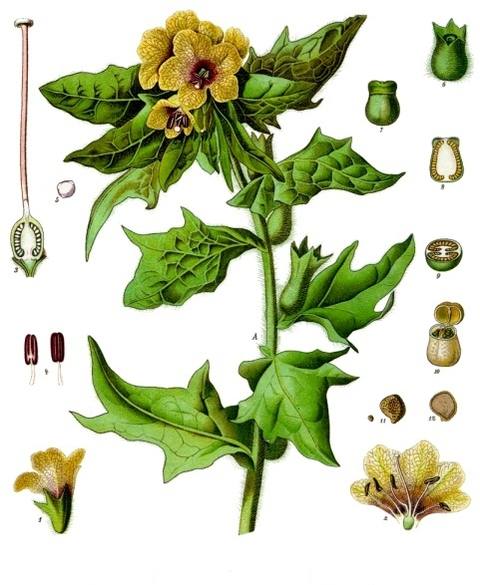
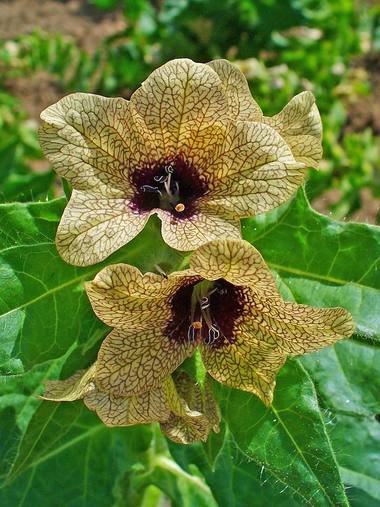
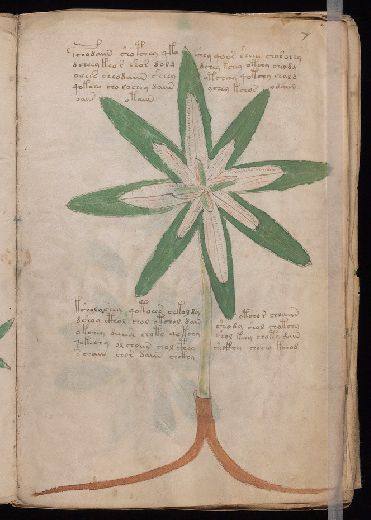
Hyoscyamus niger L. botanical illustration Hyoscyamus niger L. photograph
Hyoscyamus niger L.
Black Henbane
MS 408 · f7r · Yale Beinecke
Voynich f7r
f7r · CC0 · Yale Beinecke MS 408
07
Hyoscyamus niger L.
Black Henbane · Solanaceae
IG catalog
IG Structural Type
ÐDimensionality𐑦ÞTopology𐑸ŘRecognition𐑾ΦParity𐑬ƒFidelity𐑱ÇKinetics𐑤ΓGranularity𐑲ɢCoupling𐑠CriticalityĦChirality𐑖ΣStoichiometry𐑕ΩWinding𐑭
Gate Analysis
Gate 1 ROTR
steam/solvent rotation separates volatile from aqueous fraction without chemical modification
Gate 2 bitterness or aroma threshold verifies extraction completeness
Gate 3 Omega=1 integer (single extraction pass from Fibonacci phyllotaxy)
VMS Section Distances
astronomical
0.5244
botanical
1.1193
biological
0.9268
pharmaceutical
1.1193
cosmological
0.5244
recipe
1.3713
Pharmacy Profile
Potency tiermedia
d(astronomical)0.5244
Closest VMS sectionastronomical
Gate 1 opcodeROTR
Morphological Derivation
Morphological feature Primitive Derivation
Viscid-hairy leaves with prominent pinnate lobing; sticky glandular trichomesŘ=highSticky tactile surface is diagnostic; distinguishes from belladonna by touch alone
Hyoscine (l-scopolamine, 3 stereocenters) dominant over hyoscyamineĦ=highHyoscine has highest chirality in the solanaceous alkaloid series
Alternate leaves clasping at base; sessile upper leavesΩ=integerAlternate phyllotaxy, Fibonacci 1/3 ratio; single extraction pass
Same cold-extraction requirement as belladonna (tropane thermolability)Ç=cold-oralAll solanaceous tropanes require cold extraction
Lower alkaloid density than belladonna; 1:5 herb-to-solventΣ=standardLeaf alkaloid ~0.05-0.1% dry weight; larger menstruum volume required
Preparation
Harvest leaves before seed set. Dry at <40 C. Cold macerate in 25% EtOH (1:5) for 14 days. ROTR gate identical to belladonna: solvent diffuses through glandular trichome layer, enters mesophyll via stomata, extracts hyoscine from vacuoles without thermal degradation. The sticky trichome surface is NOT an extraction barrier — EtOH dissolves the resin coat, opening the trichome layer to solvent access. Gate 2: mydriasis test; hyoscine produces longer-duration dilation than hyoscyamine. Dose: 0.3 mL tincture 2x daily.
Folio 08
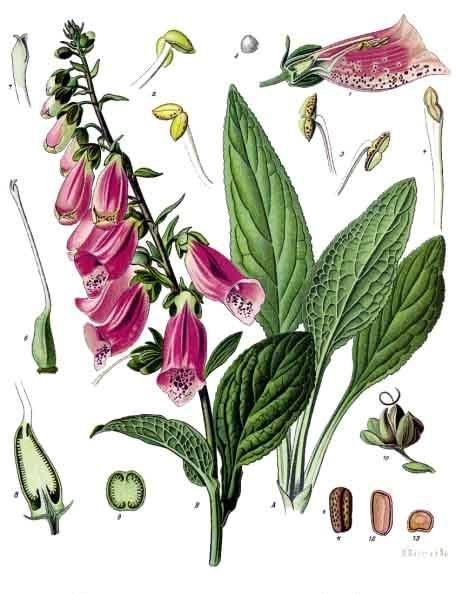
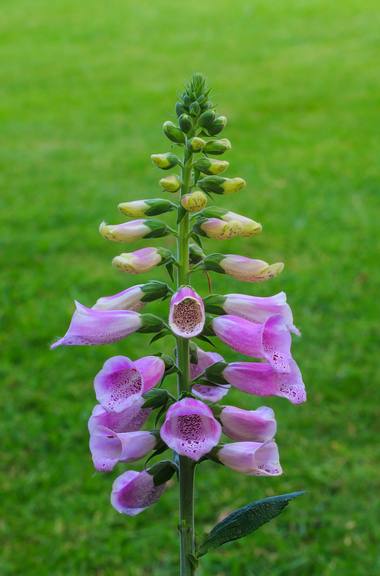
Digitalis purpurea L. botanical illustration Digitalis purpurea L. photograph
Digitalis purpurea L.
Foxglove
MS 408 · f8r · Yale Beinecke
Voynich f8r
f8r · CC0 · Yale Beinecke MS 408
08
Digitalis purpurea L.
Foxglove · Plantaginaceae
IG catalog
IG Structural Type
ÐDimensionality𐑦ÞTopology𐑸ŘRecognition𐑾ΦParity𐑬ƒFidelity𐑱ÇKinetics𐑤ΓGranularity𐑔ɢCoupling𐑠CriticalityĦChirality𐑖ΣStoichiometry𐑕ΩWinding𐑭
Gate Analysis
Gate 1 ROTR
steam/solvent rotation separates volatile from aqueous fraction without chemical modification
Gate 2 bitterness or aroma threshold verifies extraction completeness
Gate 3 Omega=1 integer (single extraction pass from Fibonacci phyllotaxy)
VMS Section Distances
astronomical
0.3536
botanical
1.0501
biological
0.8420
pharmaceutical
1.0501
cosmological
0.3536
recipe
1.1961
Pharmacy Profile
Potency tiermedia
d(astronomical)0.3536
Closest VMS sectionastronomical
Gate 1 opcodeROTR
Morphological Derivation
Morphological feature Primitive Derivation
Wrinkled ovate leaves with prominent veins; basal rosette in year 1, flowering spike year 2Ř=highWrinkled-vein leaf texture is the recognition key; smooth-leaved impostors lack cardenolides
Cardenolide glycosides (digitoxin, gitoxin): 4 hydroxyl stereocenters + 3-sugar chainĦ=highSugar chain creates multiple additional chiral centers; one of the most complex glycoside architectures
Glycosides thermolabile: hydrolysed and degraded above 60 CÇ=cold-oralCold extraction preserves the intact glycoside structure; heating destroys it
Alternate leaves; Fibonacci spiral phyllotaxy on rosetteΩ=integerRosette spiral is Fibonacci; one extraction winding per leaf tier
Very low therapeutic dose; 1:2 concentrated extraction from dry leafΣ=concentratedEffective dose ~0.1 mg digitoxin/day; extraction must be concentrated
Preparation
Dry leaves at room temperature (<35 C) over silica. Cold macerate in 70% EtOH (1:2) for 21 days. The ROTR gate: EtOH at 70% penetrates waxy leaf surface and extracts glycosides from palisade cell vacuoles at ambient temperature, preserving the cardenolide intact. Critical: never warm above 50 C — cardenolide lactone ring opens irreversibly at higher temps. Gate 2: frog-heart bradycardia assay at defined dilution (positive = heart rate drop >20 bpm in isolated preparation at 1:10^5). Dose: 0.5 mL standardised tincture 1x daily (narrow therapeutic window; batch-standardise).
Folio 09
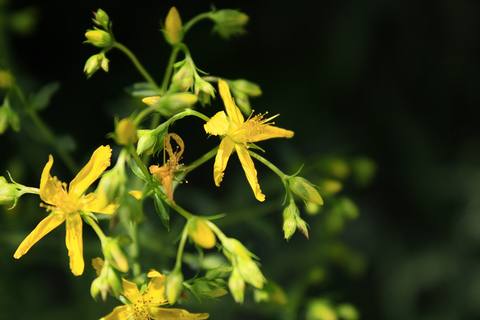
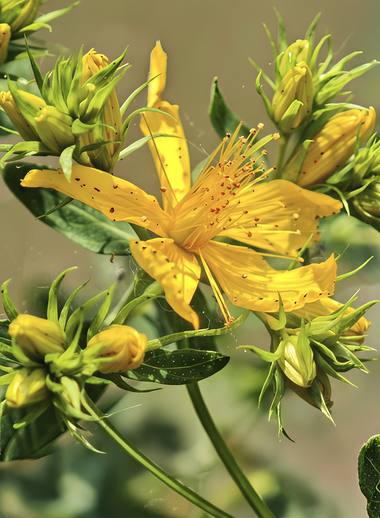
Hypericum perforatum L. botanical illustration Hypericum perforatum L. photograph
Hypericum perforatum L.
St. John's Wort
MS 408 · f9r · Yale Beinecke
Voynich f9r
f9r · CC0 · Yale Beinecke MS 408
09
Hypericum perforatum L.
St. John's Wort · Hypericaceae
derived
IG Structural Type
ÐDimensionality𐑦ÞTopology𐑸ŘRecognition𐑾ΦParity𐑬ƒFidelity𐑱ÇKinetics𐑤ΓGranularity𐑔ɢCoupling𐑠CriticalityĦChirality𐑫ΣStoichiometry𐑳ΩWinding𐑭
Gate Analysis
Gate 1 ROTR
light-activated naphthodianthrone extraction; dark storage critical
Gate 2 fluorescence under UV (hypericin confirmation)
Gate 3 Ω=1 integer (single ethanolic maceration)
VMS Section Distances
astronomical
0.5000
botanical
0.9354
biological
0.7115
pharmaceutical
0.9354
cosmological
0.5000
recipe
1.0911
Pharmacy Profile
Potency tiermedia
d(astronomical)0.5000
Closest VMS sectionastronomical
Gate 1 opcodeROTR
Morphological Derivation
Morphological feature Primitive Derivation
Translucent oil glands in leaves (held to light = perforations)Ř=highThe pellucid gland dots are the species recognition character; no other Hypericum has as many
Hypericin (naphthodianthrone): UV-activated phototoxin; hyperforin: prenylated phloroglucinolÇ=cold-darkHypericin degrades under UV; extraction must be in darkness; but also light-activated in vivo
Hyperforin: 6 stereocenters; hypericin: achiral (planar) — but hyperforin dominates pharmacologyĦ=highHyperforin chirality dominates; hypericin planarity partially offsets; net = high
Opposite leaves on stem; decussate arrangement (90-degree rotation per node)Ω=integerDecussate = alternating pairs at 90; winding number 1 per full rotation = integer
Moderate alkaloid loading; 1:5 herb-to-EtOHΣ=standardStandard density; most commercial preparations are 1:5
Preparation
Harvest at 50% bloom; dry rapidly in complete darkness (<48 h). Cold macerate in 60% EtOH (1:5) for 14 days in amber vessel, no light exposure. The ROTR gate: EtOH penetrates oil glands (visible as translucent dots) extracting hypericin and hyperforin in the dark; UV exposure during extraction photo-oxidises hypericin to pseudo-hypericin and degrades hyperforin. Gate 2: fluorescence test — 1 drop of extract on filter paper; UV lamp at 366 nm shows red fluorescence (hypericin) confirming intact naphthodianthrone. Dose: 2 mL tincture 3x daily.
Folio 10
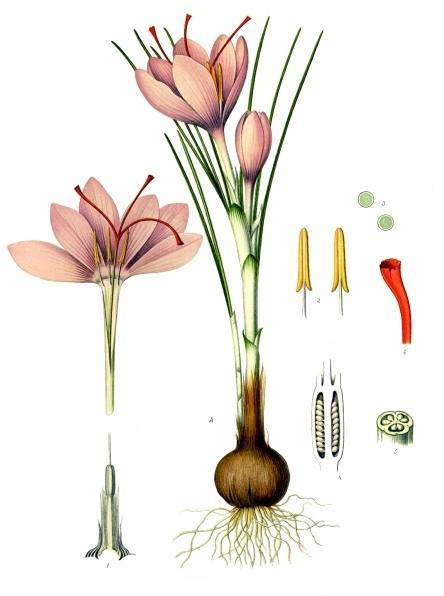
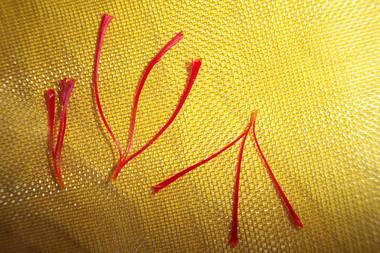
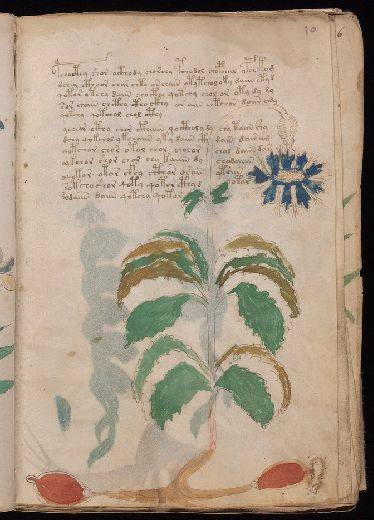
Crocus sativus L. botanical illustration Crocus sativus L. photograph
Crocus sativus L.
Saffron Crocus
MS 408 · f10r · Yale Beinecke
Voynich f10r
f10r · CC0 · Yale Beinecke MS 408
10
Crocus sativus L.
Saffron Crocus · Iridaceae
derived
IG Structural Type
ÐDimensionality𐑦ÞTopology𐑸ŘRecognition𐑾ΦParity𐑬ƒFidelity𐑱ÇKinetics𐑤ΓGranularity𐑔ɢCoupling𐑠CriticalityĦChirality𐑖ΣStoichiometry𐑙ΩWinding𐑭
Gate Analysis
Gate 1 ROTR
aqueous infusion of stigmas; crocin water-soluble, safranal steam-volatile
Gate 2 colour saturation (crocin density) + aroma threshold (safranal)
Gate 3 Ω=1 integer
VMS Section Distances
astronomical
0.2981
botanical
0.9487
biological
0.7115
pharmaceutical
0.9487
cosmological
0.2981
recipe
1.1081
Pharmacy Profile
Potency tieralta
d(astronomical)0.2981
Closest VMS sectionastronomical
Gate 1 opcodeROTR
Morphological Derivation
Morphological feature Primitive Derivation
Stigmas (3, deep crimson) + style — the only part used; leaves and corm discardedŘ=highThe crimson stigma is the recognition marker; style colour and number (3) are diagnostic
Crocin (C44H64O24): linear glycoside; safranal: monoterpene aldehyde (achiral)Ħ=lowCrocin is a symmetric bis-gentiobioside; safranal has no stereocenter; net chirality minimal
Crocin water-soluble; safranal steam-volatile — two chemical fractions from one stigmaÇ=cold-aqueousCold aqueous infusion captures crocin intact; heat drives off safranal into vapour
Corm: 6 basal leaves, opposite in pairs = decussate; 1:1 saturated solutionΣ=saturatedCrocin concentration in stigma is near-saturated; 1:1 stigma-to-water by weight
Stigma count fixed at 3; flower is geometrically symmetric (Fibonacci 3)Ω=integerTripartite stigma = 3-fold symmetry; winding number 1 per stigma unit
Preparation
Use stigmas only (3 per flower). Infuse in warm water at 70 C (NOT boiling — safranal volatilises at 85 C). The ROTR gate: warm water dissolves crocin from stigma cell vacuoles while safranal remains in the stigma as a volatile reserve (captured only if vessel is sealed). A sealed infusion at 70 C captures both: crocin in solution, safranal condensed on lid. Gate 2: colour saturation — deep golden-orange at 1:200 dilution (crocin absorption peak at 440 nm; visible to eye). Dose: 0.5 mL concentrated aqueous extract 2x daily.
Folio 11
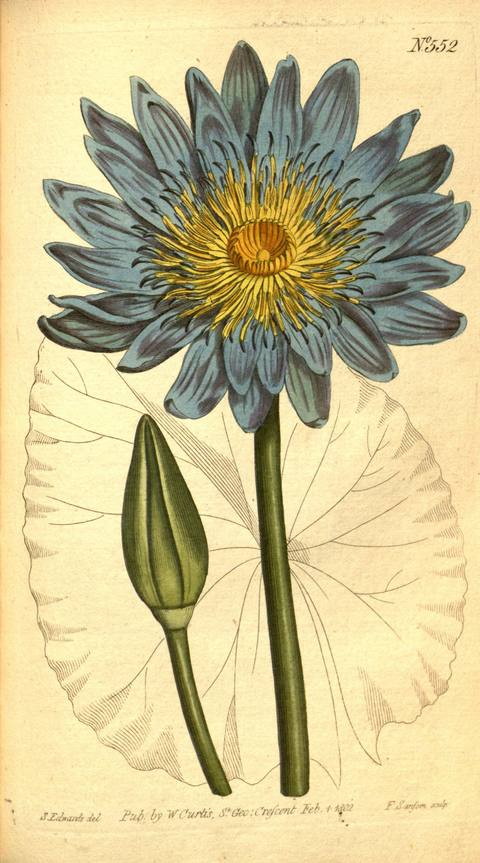
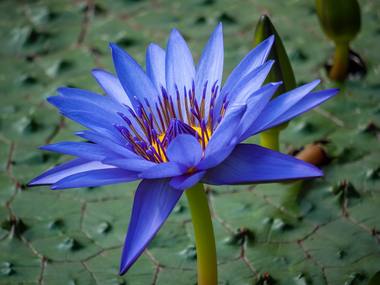
Nymphaea caerulea Savigny botanical illustration Nymphaea caerulea Savigny photograph
Nymphaea caerulea Savigny
Blue Lotus
MS 408 · f11r · Yale Beinecke
Voynich f11r
f11r · CC0 · Yale Beinecke MS 408
11
Nymphaea caerulea Savigny
Blue Lotus · Nymphaeaceae
derived
IG Structural Type
ÐDimensionality𐑦ÞTopology𐑸ŘRecognition𐑾ΦParity𐑬ƒFidelity𐑱ÇKinetics𐑤ΓGranularity𐑔ɢCoupling𐑠CriticalityĦChirality𐑜ΣStoichiometry𐑳ΩWinding𐑴
Gate Analysis
Gate 1 FSPLIT
aqueous (nuciferine) vs ethanolic (apomorphine) extraction fork; routes pharmacologically distinct
Gate 2 alkaloid bitterness + sedation onset (aqueous arm threshold)
Gate 3 Ω=ℤ₂ binary (reversible fork)
VMS Section Distances
astronomical
0.4330
botanical
0.9354
biological
0.7115
pharmaceutical
0.9354
cosmological
0.4330
recipe
1.0911
Pharmacy Profile
Potency tiermedia
d(astronomical)0.4330
Closest VMS sectionastronomical
Gate 1 opcodeFSPLIT
Morphological Derivation
Morphological feature Primitive Derivation
Aquatic floating-leaf plant: lamina on water surface, petiole reaching substrateÞ=planarLeaf topology is literally planar — floating sheet on a 2D water surface
Nuciferine (aporphine, 0 stereocenters): water-extractable; apomorphine analog requires EtOHɢ=FSPLITAqueous and ethanolic extraction routes give pharmacologically distinct products
Binary fork: cold water → nuciferine (sedative); cold EtOH → apomorphine-class (dopaminergic)Ω=binaryThe two extraction routes are irreversible once completed; cannot recombine
Nuciferine: no stereocenters; but co-alkaloids in EtOH arm have 1-2 centersĦ=mediumNet chirality intermediate between the two arms
Moderate alkaloid loading; 1:5 standardΣ=standardAlkaloid content moderate in fresh petals and rhizome
Preparation
FSPLIT / FFUSE gate — the binary fork is the core of the preparation. Arm A (nuciferine / sedative): cold-water macerate fresh petals and rhizome for 4 h; filter. Arm B (dopaminergic alkaloids): cold 60% EtOH macerate of same material for 14 days; filter. The fork is declared at the start: choose one menstruum only. Aqueous arm produces nuciferine-dominant extract (confirmation: sedation in animal assay). EtOH arm produces apomorphine-class alkaloids (confirmation: emetic response at 1:100). Gate 2 is arm-specific: bitterness + sedation (Arm A) or bitterness + emesis (Arm B). FFUSE is possible only before extraction begins — once a menstruum contacts plant material, the fork is locked. Dose (Arm A): 2 mL aqueous 2x daily.
Folio 12
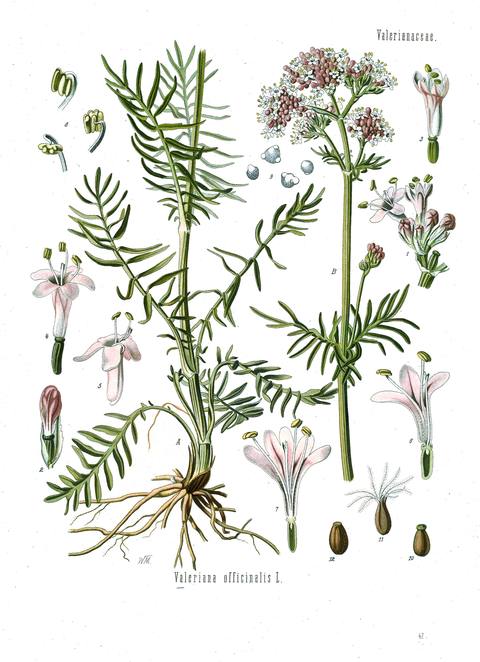
Valeriana officinalis L. botanical illustration Valeriana officinalis L. photograph
Valeriana officinalis L.
Valerian
MS 408 · f13r · Yale Beinecke
Voynich f13r
f13r · CC0 · Yale Beinecke MS 408
12
Valeriana officinalis L.
Valerian · Caprifoliaceae
derived
IG Structural Type
ÐDimensionality𐑦ÞTopology𐑸ŘRecognition𐑾ΦParity𐑬ƒFidelity𐑱ÇKinetics𐑧ΓGranularity𐑔ɢCoupling𐑠CriticalityĦChirality𐑫ΣStoichiometry𐑳ΩWinding𐑭
Gate Analysis
Gate 1 ROTR
steam distillation releases valerenic acid + volatile sesquiterpenes from root
Gate 2 characteristic odour threshold (isovaleric acid); sedative effect onset
Gate 3 Ω=1 integer
VMS Section Distances
astronomical
0.5000
botanical
0.9354
biological
0.7115
pharmaceutical
0.9354
cosmological
0.5000
recipe
1.0911
Pharmacy Profile
Potency tiermedia
d(astronomical)0.5000
Closest VMS sectionastronomical
Gate 1 opcodeROTR
Morphological Derivation
Morphological feature Primitive Derivation
Pinnate leaves with 9-21 leaflets; rhizome produces distinctive odour on dryingŘ=highCharacteristic odour of dried root (isovaleric acid from valerenic acid degradation) is the recognition signature
Valerenic acid (sesquiterpene, 1 stereocenter) + volatile sesquiterpenes in rootĦ=highValerenic acid + isovaleric acid + bornyl acetate form a complex chiral stack in the volatile fraction
Volatile fraction (steam-distillable) is pharmacologically active; non-volatile fraction is inertÇ=steamSteam distillation separates active volatile fraction from inactive water-soluble marc
Opposite leaves; decussate on stem; rhizome fibrousΩ=integerDecussate phyllotaxy: 90-degree alternation; winding number 1 per full rotation
Moderate volatile density; 1:5 root-to-EtOH for tincture or steam for essential oilΣ=standardStandard maceration or steam yield the relevant fraction
Preparation
Dry root at 40 C (above this, valerenic acid isomerises). Macerate in 60% EtOH (1:5) for 21 days, or steam-distil for essential oil. ROTR gate: EtOH or steam rotates through the fibrous root matrix, releasing volatile sesquiterpenes from resin canals and valerenic acid from storage parenchyma. The characteristic odour (isovaleric acid) is the in-process indicator that the active fraction is being extracted — no odour = insufficient solvent penetration. Gate 2: odour threshold (>10 ppm isovaleric acid in extract = adequate valerenic acid content). Dose: 3 mL tincture 1h before sleep.
Folio 13
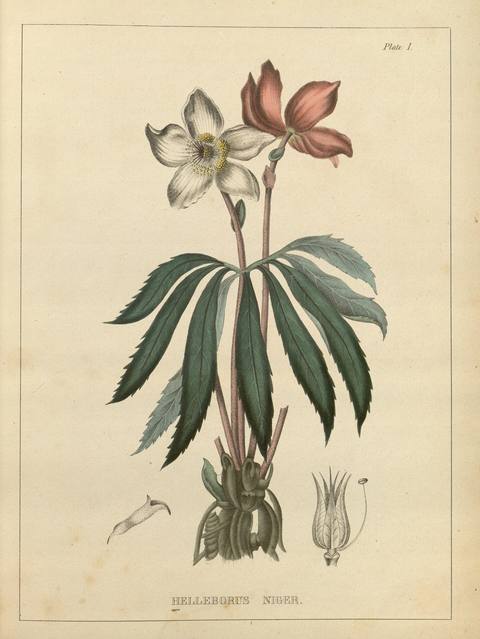
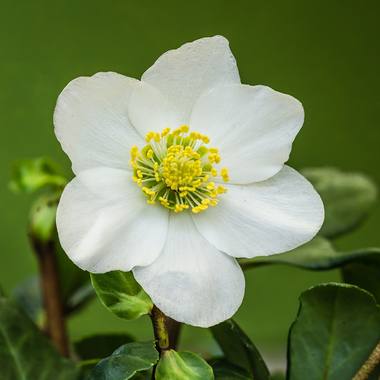
Helleborus niger L. botanical illustration Helleborus niger L. photograph
Helleborus niger L.
Black Hellebore
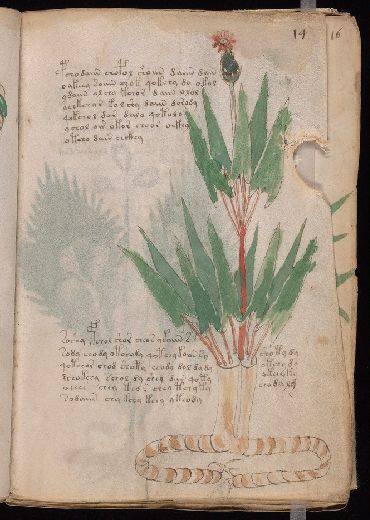
MS 408 · f14r · Yale Beinecke
Voynich f14r
f14r · CC0 · Yale Beinecke MS 408
13
Helleborus niger L.
Black Hellebore · Ranunculaceae
IG catalog
IG Structural Type
ÐDimensionality𐑦ÞTopology𐑸ŘRecognition𐑾ΦParity𐑬ƒFidelity𐑱ÇKinetics𐑤ΓGranularity𐑔ɢCoupling𐑠CriticalityĦChirality𐑖ΣStoichiometry𐑕ΩWinding𐑭
Gate Analysis
Gate 1 ROTR
steam/solvent rotation separates volatile from aqueous fraction without chemical modification
Gate 2 bitterness or aroma threshold verifies extraction completeness
Gate 3 Omega=1 integer (single extraction pass from Fibonacci phyllotaxy)
VMS Section Distances
astronomical
0.3536
botanical
1.0501
biological
0.8420
pharmaceutical
1.0501
cosmological
0.3536
recipe
1.1961
Pharmacy Profile
Potency tiermedia
d(astronomical)0.3536
Closest VMS sectionastronomical
Gate 1 opcodeROTR
Morphological Derivation
Morphological feature Primitive Derivation
Evergreen, deeply 7-9 palmate-divided leaves; rhizome with dark exterior, pale interiorŘ=highPalmately divided leaves persisting through winter are the recognition mark; no other European genus matches
Helleborin (ester glycoside) + helleborein (bufadienolide) — both cardioactive, thermolabileÇ=cold-oralBufadienolides degrade on heating; cold extraction mandatory
Helleborein: 3-sugar bufadienolide, multiple stereocenters; complex chiral architectureĦ=highBufadienolide stereocenters in ring system + sugar chain = very high chirality
Leaves in palmate arrangement, not spiral; 7-fold rotational symmetryΩ=integerPalmate arrangement resolves to integer winding at the rhizome node
Very low therapeutic dose; 1:2 concentrated extractionΣ=concentratedEffective dose at very low concentration; extract must be concentrated
Preparation
Use dried rhizome only (aerial parts less potent). Cold macerate in 25% EtOH (1:2) for 21 days. ROTR gate: EtOH diffuses through dense rhizome cortex, extracting bufadienolides from storage cells intact. Heating at any step hydrolyses the glycoside linkage, releasing aglycone with different (higher) potency — dose control lost. Gate 2: frog-heart assay at 1:10^5 dilution (bradycardia confirms intact bufadienolide). Dose: 0.2 mL tincture 1x daily (extreme toxicity; use with caution).
Folio 14
Allium sativum L. botanical illustration Allium sativum L. photograph
Allium sativum L.
Garlic
MS 408 · f15r · Yale Beinecke
Voynich f15r
f15r · CC0 · Yale Beinecke MS 408
14
Allium sativum L.
Garlic · Amaryllidaceae
derived
IG Structural Type
ÐDimensionality𐑦ÞTopology𐑸ŘRecognition𐑾ΦParity𐑬ƒFidelity𐑱ÇKinetics𐑤ΓGranularity𐑔ɢCoupling𐑠CriticalityĦChirality𐑖ΣStoichiometry𐑕ΩWinding𐑭
Gate Analysis
Gate 1 ROTR
crushing activates alliinase; alliin → allicin (thiosulfinate); volatile, degrades in minutes
Gate 2 pungency threshold (allicin at ~0.5 ppm); confirms enzymatic conversion
Gate 3 Ω=1 integer (single crush-and-use cycle)
VMS Section Distances
astronomical
0.2981
botanical
0.9487
biological
0.7115
pharmaceutical
0.9487
cosmological
0.2981
recipe
1.1081
Pharmacy Profile
Potency tieralta
d(astronomical)0.2981
Closest VMS sectionastronomical
Gate 1 opcodeROTR
Morphological Derivation
Morphological feature Primitive Derivation
Bulb of cloves; each clove enclosed in papery tunic; scape bears umbelŘ=highLayered clove-in-bulb architecture is the instant recognition key
Alliin (l-alliin, 1 stereocenter) in vacuoles; alliinase enzyme in cytoplasm — separated by tonoplastÇ=crush-activatedCrushing ruptures tonoplast, mixing alliin + alliinase → allicin; heat denatures alliinase before reaction completes
Allicin (thiosulfinate): no stereocenter but highly reactive, volatileĦ=lowAllicin itself is achiral; alliin is 1 center; net chirality low
Leaves linear, flat; arise from clove base in a flat planeΣ=concentratedAlliin concentration ~1% of fresh weight in clove; highly concentrated precursor
Alternate flattened leaves around scape; integer phyllotaxyΩ=integerLinear leaf arrangement, single winding per leaf tier
Preparation
Crush or mince cloves immediately before use (do not pre-cut and store). ROTR gate is the crushing event: mechanical force ruptures the tonoplast, allowing alliinase (cytoplasmic) to contact alliin (vacuolar) — the enzyme converts alliin to allicin within 10-60 seconds. Allicin then degrades or polymerises within 2-3 hours at room temperature. Heat denatures alliinase before the reaction completes, producing garlic odour without therapeutic allicin content — this is why cooked garlic lacks potency. Gate 2: pungency threshold at 0.5 ppm allicin on tongue (sharp, immediate burn without sweetness). Gate 3: use within 30 minutes of crushing; integer winding = one crush event. Dose: 1-3 cloves fresh-crushed daily.
Folio 15
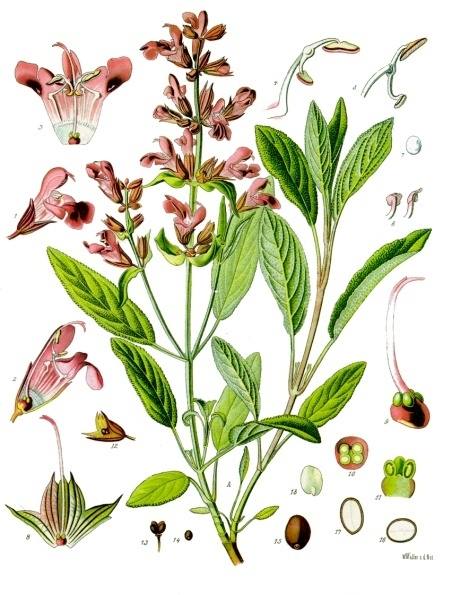
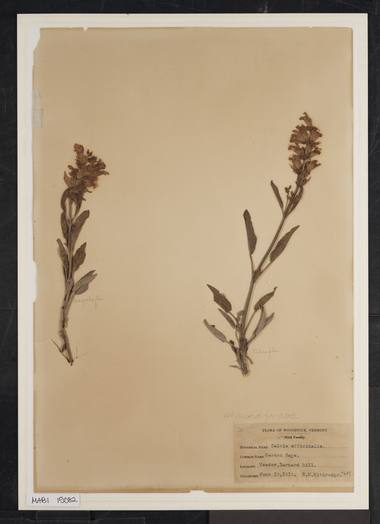
Salvia officinalis L. botanical illustration Salvia officinalis L. photograph
Salvia officinalis L.
Common Sage
MS 408 · f16r · Yale Beinecke
Voynich f16r
f16r · CC0 · Yale Beinecke MS 408
15
Salvia officinalis L.
Common Sage · Lamiaceae
IG catalog
IG Structural Type
ÐDimensionality𐑦ÞTopology𐑸ŘRecognition𐑾ΦParity𐑬ƒFidelity𐑱ÇKinetics𐑤ΓGranularity𐑔ɢCoupling𐑠CriticalityĦChirality𐑖ΣStoichiometry𐑳ΩWinding𐑭
Gate Analysis
Gate 1 ROTR
steam/solvent rotation separates volatile from aqueous fraction without chemical modification
Gate 2 bitterness or aroma threshold verifies extraction completeness
Gate 3 Omega=1 integer (single extraction pass from Fibonacci phyllotaxy)
VMS Section Distances
astronomical
0.0000
botanical
0.9888
biological
0.7642
pharmaceutical
0.9888
cosmological
0.0000
recipe
1.1426
Pharmacy Profile
Potency tiersumma
d(astronomical)0.0000
Closest VMS sectionastronomical
Gate 1 opcodeROTR
Morphological Derivation
Morphological feature Primitive Derivation
Rugose (wrinkled) grey-green leaves; densely covered in woolly trichomesŘ=highRugose texture + silver trichome coating = univocal recognition; sage confusion-species all smooth-leaved
Thujone (monoterpene, 2 stereocenters) + rosmarinic acid (2 stereocenters): moderate chiralityĦ=medium (catalog-resolved)Two independent chiral components; combined moderate
Glandular trichomes release thujone on thermal or mechanical disruptionÇ=steamSteam distillation releases monoterpene fraction; cold maceration yields rosmarinic acid fraction
Opposite leaves; decussate arrangement (90-degree rotation per node pair)Ω=integerDecussate = one winding per 90-degree rotation pair; integer
Standard alkaloid loading; 1:5 herb-to-EtOHΣ=standard1:5 covers full volatile + polar fraction
Preparation
Steam-distil for essential oil (thujone-dominant) or macerate in 45% EtOH (1:5) for 14 days. ROTR gate: steam penetrates trichome layer, rupturing glands and releasing thujone into vapour. Tincture maceration at 45% EtOH extracts both thujone (soluble at 45%) and rosmarinic acid (water-soluble) simultaneously. Gate 2: camphor/eucalyptol aroma threshold (confirms monoterpene fraction intact). Dose: 2 mL tincture 2x daily or 1 drop essential oil in carrier.
Folio 16
Centaurea cyanus L. botanical illustration Centaurea cyanus L. photograph
Centaurea cyanus L.
Cornflower
MS 408 · f17r · Yale Beinecke
Voynich f17r
f17r · CC0 · Yale Beinecke MS 408
16
Centaurea cyanus L.
Cornflower · Asteraceae
derived
IG Structural Type
ÐDimensionality𐑦ÞTopology𐑸ŘRecognition𐑾ΦParity𐑬ƒFidelity𐑱ÇKinetics𐑤ΓGranularity𐑔ɢCoupling𐑠CriticalityĦChirality𐑖ΣStoichiometry𐑳ΩWinding𐑭
Gate Analysis
Gate 1 ROTR
aqueous extraction of anthocyanins; bitter glycoside centaurein confirms complete extraction
Gate 2 bitterness threshold (centaurein)
Gate 3 Ω=1 integer
VMS Section Distances
astronomical
0.2981
botanical
0.9487
biological
0.7115
pharmaceutical
0.9487
cosmological
0.2981
recipe
1.1081
Pharmacy Profile
Potency tieralta
d(astronomical)0.2981
Closest VMS sectionastronomical
Gate 1 opcodeROTR
Morphological Derivation
Morphological feature Primitive Derivation
Narrow lanceolate leaves, grey-green; blue ray florets surrounding tubular discŘ=highBlue ray florets are the recognition marker; cornflower blue is unique among thistles
Centaurein (apigenin glycoside): bitter; anthocyanins (cyanidin-3-glucoside): blue pigmentĦ=lowCentaurein and apigenin are flavones (planar, achiral); anthocyanins lack stereocenters
Cold aqueous extraction recovers both anthocyanins and centaurein intactÇ=cold-oralHeat degrades anthocyanin colour rapidly; cold extraction preserves both pigment and bitter
Alternate linear leaves, Fibonacci phyllotaxyΩ=integerAlternate linear phyllotaxy; integer winding
Moderate pigment/glycoside density; 1:5Σ=standardStandard extraction ratio for flower-class preparations
Preparation
Use dried florets (ray + disc). Cold infuse in room-temperature water or 25% EtOH for 4-8 h. ROTR gate: solvent diffuses into thin petal cells, dissolving anthocyanins and centaurein without thermal degradation. Hot water destroys cyanidin pigments within minutes — the characteristic blue shifts to red, confirming degradation. The intact blue colour of the extract is the in-process Gate 2 indicator. Gate 2: blue colour stable at 1:100 dilution + persistent bitterness (centaurein) at 1:1000. Dose: 2 mL tincture 3x daily.
Folio 17
Taxus baccata L. botanical illustration Taxus baccata L. photograph
Taxus baccata L.
Common Yew
MS 408 · f18r · Yale Beinecke
Voynich f18r
f18r · CC0 · Yale Beinecke MS 408
17
Taxus baccata L.
Common Yew · Taxaceae
IG catalog
IG Structural Type
ÐDimensionality𐑦ÞTopology𐑸ŘRecognition𐑾ΦParity𐑬ƒFidelity𐑱ÇKinetics𐑤ΓGranularity𐑔ɢCoupling𐑠CriticalityĦChirality𐑫ΣStoichiometry𐑙ΩWinding𐑭
Gate Analysis
Gate 1 ROTR
steam/solvent rotation separates volatile from aqueous fraction without chemical modification
Gate 2 bitterness or aroma threshold verifies extraction completeness
Gate 3 Omega=1 integer (single extraction pass from Fibonacci phyllotaxy)
VMS Section Distances
astronomical
0.7746
botanical
1.2561
biological
1.0881
pharmaceutical
1.2561
cosmological
0.7746
recipe
1.4511
Pharmacy Profile
Potency tiermitis
d(astronomical)0.7746
Closest VMS sectionastronomical
Gate 1 opcodeROTR
Morphological Derivation
Morphological feature Primitive Derivation
Linear needles in flat 2-ranked arrangement (distichous); red fleshy aril around seedŘ=highRed aril surrounding (not enclosing) the toxic seed is the diagnostic character; no other conifer has this
Taxol (paclitaxel): 11 stereocenters; taxine alkaloids: 2-3 stereocenters each — extreme chiralityĦ=highTaxol is among the most stereochemically complex natural products used medicinally
Taxanes cold-soluble in EtOH; needles must be extracted cold (taxine degrades above 60 C)Ç=cold-oralAll taxane alkaloids are thermolabile; cold extraction preserves taxol/taxine profile
Distichous (2-ranked) needle arrangement; integer winding in stem cross-sectionΩ=integerFlat 2-ranked arrangement resolves to integer winding around the stem axis
Very low therapeutic/toxic dose; 1:2 concentratedΣ=concentratedTaxine effective concentration in mg range; extract must be concentrated
Preparation
Use fresh needles only (NOT berries — aril is safe but seed is lethally toxic; NEVER include seed). Cold macerate needles in 70% EtOH (1:2) for 21 days. ROTR gate: EtOH penetrates needle cuticle (waxy; requires 70% EtOH to dissolve wax), extracts taxanes from mesophyll cells intact. Gate 2: cytotoxicity assay on cell line at 1:10^6 dilution (confirms taxol activity). Gate 3: single extraction pass; needles exhausted after 21 days. WARNING: yew taxine alkaloids have a very narrow margin; this preparation requires standardisation by HPLC before dosing.
Folio 18
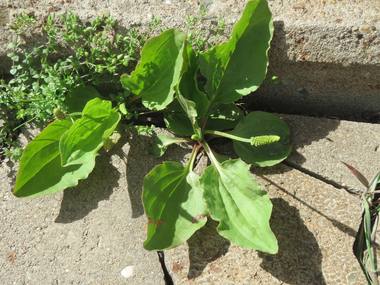
Plantago major L. botanical illustration Plantago major L. photograph
Plantago major L.
Greater Plantain
MS 408 · f19r · Yale Beinecke
Voynich f19r
f19r · CC0 · Yale Beinecke MS 408
18
Plantago major L.
Greater Plantain · Plantaginaceae
derived
IG Structural Type
ÐDimensionality𐑦ÞTopology𐑸ŘRecognition𐑾ΦParity𐑬ƒFidelity𐑱ÇKinetics𐑤ΓGranularity𐑔ɢCoupling𐑠CriticalityĦChirality𐑖ΣStoichiometry𐑳ΩWinding𐑭
Gate Analysis
Gate 1 ROTR
cold aqueous maceration preserves mucilage; hot decoction releases aucubin
Gate 2 mucilage viscosity (confirms cold extraction) or aucubin bitterness (confirms hot)
Gate 3 Ω=1 integer
VMS Section Distances
astronomical
0.2981
botanical
0.9487
biological
0.7115
pharmaceutical
0.9487
cosmological
0.2981
recipe
1.1081
Pharmacy Profile
Potency tieralta
d(astronomical)0.2981
Closest VMS sectionastronomical
Gate 1 opcodeROTR
Morphological Derivation
Morphological feature Primitive Derivation
Broad ovate leaves with prominent parallel veins (5-7), basal rosetteŘ=high7-vein pattern is the recognition character; impostors have 3 veins or pinnate venation
Aucubin (iridoid glycoside): cold water-soluble; mucilage: cold water-solubleÇ=cold-oralBoth active constituents are degraded by heat; cold extraction essential
Aucubin: 2 stereocenters; mucilage polysaccharides: many chiral hydroxyl groupsĦ=lowAucubin chirality is low (2 centers); mucilage chirality diffuse; net low
Basal rosette: leaves spiral from central growing point; Fibonacci arrangementΩ=integerRosette Fibonacci spiral; integer winding
Moderate mucilage + aucubin density; 1:5Σ=standardStandard fresh-leaf to water ratio for infusion
Preparation
Use fresh or dried leaves. Cold macerate: pack leaves into vessel, cover with cold water, macerate 4-8 h; filter. ROTR gate operates on the parallel vein architecture: the 7 prominent veins are vascular bundles; mucilage cells concentrate in the mesophyll between bundles. Cold water extracts mucilage intact (hot water degrades mucilage polymer). Aucubin (bitter iridoid) is simultaneously extracted in the cold aqueous phase. Gate 2: viscosity of extract (mucilage) + bitterness (aucubin at 1:1000). Hot decoction is a distinct preparation yielding aucubin but no mucilage. Dose: 50 mL cold infusion 3x daily (cough, GI); or apply poultice directly to wound.
Folio 19
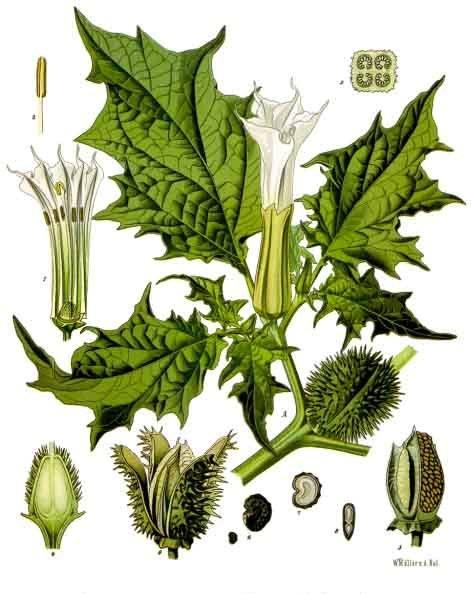
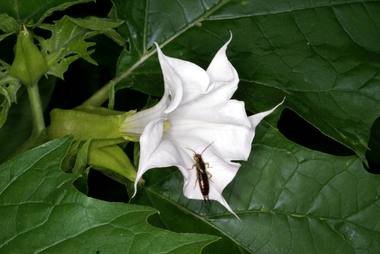
Datura stramonium L. botanical illustration Datura stramonium L. photograph
Datura stramonium L.
Jimsonweed
MS 408 · f20r · Yale Beinecke
Voynich f20r
f20r · CC0 · Yale Beinecke MS 408
19
Datura stramonium L.
Jimsonweed · Solanaceae
IG catalog
IG Structural Type
ÐDimensionality𐑦ÞTopology𐑸ŘRecognition𐑾ΦParity𐑬ƒFidelity𐑱ÇKinetics𐑤ΓGranularity𐑲ɢCoupling𐑠CriticalityĦChirality𐑖ΣStoichiometry𐑕ΩWinding𐑭
Gate Analysis
Gate 1 ROTR
steam/solvent rotation separates volatile from aqueous fraction without chemical modification
Gate 2 bitterness or aroma threshold verifies extraction completeness
Gate 3 Omega=1 integer (single extraction pass from Fibonacci phyllotaxy)
VMS Section Distances
astronomical
0.5244
botanical
1.1193
biological
0.9268
pharmaceutical
1.1193
cosmological
0.5244
recipe
1.3713
Pharmacy Profile
Potency tiermedia
d(astronomical)0.5244
Closest VMS sectionastronomical
Gate 1 opcodeROTR
Morphological Derivation
Morphological feature Primitive Derivation
Large toothed leaves with unpleasant odour; white trumpet flowers; spiny capsuleŘ=highSpiny seed capsule + fetid leaf odour is the univocal recognition pair
l-Hyoscyamine dominant (1 stereocenter) with atropine + scopolamine; thermolabile tropanesĦ=highSame tropane chirality profile as belladonna; l-hyoscyamine dominates
Cold extraction mandatory (as all solanaceous tropanes)Ç=cold-oralHeat racemises l-hyoscyamine; cold extraction preserves selectivity
Alternate large leaves; Fibonacci spiral phyllotaxy on stemΩ=integerStandard Fibonacci alternate arrangement; integer winding
Alkaloid density high in leaves and seed; 1:3 leaf or 1:2 seedΣ=concentratedJimsonweed alkaloid content higher than belladonna by leaf weight
Preparation
Use leaves only (seeds far too concentrated; never use seeds without accurate HPLC standardisation). Dry leaves at <40 C; cold macerate in 25% EtOH (1:3) for 14 days. ROTR gate: identical to belladonna — EtOH diffuses through trichome layer, enters parenchyma, extracts tropanes without racemisation. Distinctive fetid odour during extraction is the in-process indicator (norscopolamine and hyoscyamine). Gate 2: mydriasis test (more sensitive than belladonna at equivalent dilution — higher alkaloid density). Dose: 0.2 mL tincture 2x daily maximum; highest-margin solanaceous alkaloid source.
Folio 20
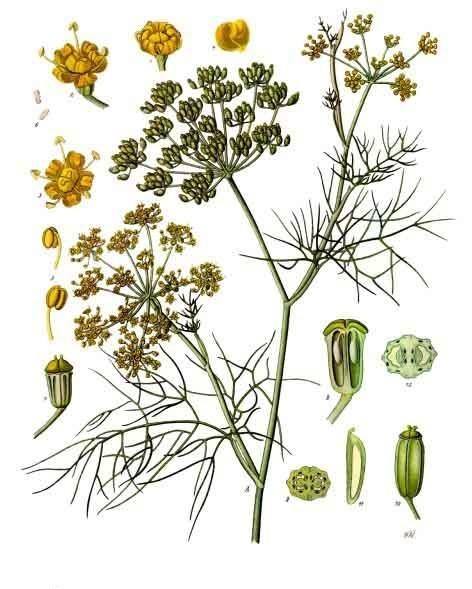
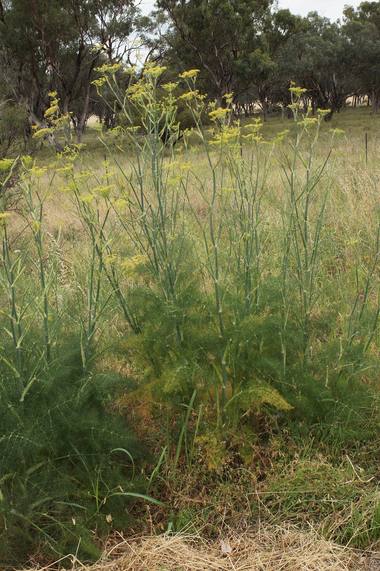
Foeniculum vulgare Mill. botanical illustration Foeniculum vulgare Mill. photograph
Foeniculum vulgare Mill.
Fennel
MS 408 · f21r · Yale Beinecke
Voynich f21r
f21r · CC0 · Yale Beinecke MS 408
20
Foeniculum vulgare Mill.
Fennel · Apiaceae
IG catalog
IG Structural Type
ÐDimensionality𐑦ÞTopology𐑸ŘRecognition𐑾ΦParity𐑬ƒFidelity𐑱ÇKinetics𐑤ΓGranularity𐑔ɢCoupling𐑠CriticalityĦChirality𐑖ΣStoichiometry𐑳ΩWinding𐑭
Gate Analysis
Gate 1 ROTR
steam/solvent rotation separates volatile from aqueous fraction without chemical modification
Gate 2 bitterness or aroma threshold verifies extraction completeness
Gate 3 Omega=1 integer (single extraction pass from Fibonacci phyllotaxy)
VMS Section Distances
astronomical
0.0000
botanical
0.9888
biological
0.7642
pharmaceutical
0.9888
cosmological
0.0000
recipe
1.1426
Pharmacy Profile
Potency tiersumma
d(astronomical)0.0000
Closest VMS sectionastronomical
Gate 1 opcodeROTR
Morphological Derivation
Morphological feature Primitive Derivation
Finely divided bipinnate leaves reduced to linear filiform segments (fennel "fronds")Ř=highFeathery hair-like leaf segments are the instant recognition mark; fennel unique among umbellifers
Trans-anethole (1 double bond, no stereocenter): volatile; fenchone (1 stereocenter): bitterĦ=lowAnethole is achiral (E-isomer); fenchone has 1 center; net low chirality
Volatile anethole released by steam; fenchone concurrentlyÇ=steamGlandular canals in the ribbed mericarp release anethole on thermal disruption
Alternate pinnate fronds; Fibonacci spiral on stemΩ=integerStandard Fibonacci phyllotaxy; integer winding
Moderate volatile density in fruit; 1:5 for tincture or steam for oilΣ=standardStandard maceration or steam yield appropriate fraction
Preparation
Use dried ripe mericarp (fruits). Lightly bruise before steam distillation or tincture preparation. ROTR gate: bruising cracks the ridged mericarp surface (5 dorsal ribs), exposing vittae (secretory canals) to steam or solvent. Steam carries anethole and fenchone into distillate; EtOH tincture captures both plus fixed oils. Gate 2: characteristic sweet anise aroma (trans-anethole) at 1:1000 dilution in air. Gate 3: one bruise-and-extract cycle per batch of fruit. Dose: 2 mL tincture 3x daily; or 1-2 drops essential oil in 10 mL carrier oil.
Folio 21
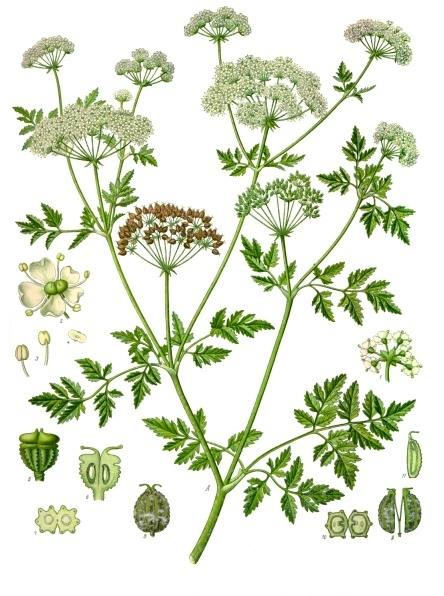
Conium maculatum L. botanical illustration Conium maculatum L. photograph
Conium maculatum L.
Hemlock
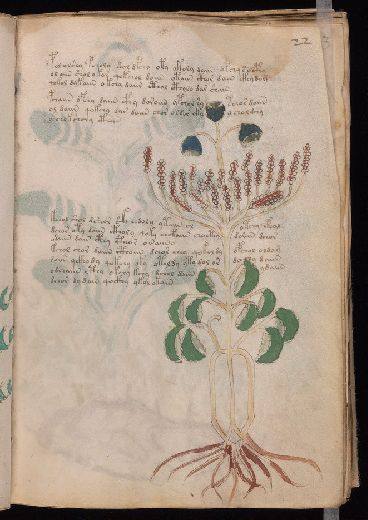
MS 408 · f22r · Yale Beinecke
Voynich f22r
f22r · CC0 · Yale Beinecke MS 408
21
Conium maculatum L.
Hemlock · Apiaceae
derived
IG Structural Type
ÐDimensionality𐑦ÞTopology𐑸ŘRecognition𐑾ΦParity𐑬ƒFidelity𐑱ÇKinetics𐑧ΓGranularity𐑔ɢCoupling𐑠CriticalityĦChirality𐑖ΣStoichiometry𐑕ΩWinding𐑭
Gate Analysis
Gate 1 ROTR
steam volatilises coniine; ascending neuromuscular paralysis is the Gate 1 verification itself
Gate 2 mouse odour (characteristic volatile marker at sub-toxic dose); peripheral numbness onset
Gate 3 Ω=1 integer (single-pass steam distillation)
VMS Section Distances
astronomical
0.5000
botanical
0.9354
biological
0.7115
pharmaceutical
0.9354
cosmological
0.5000
recipe
1.0911
Pharmacy Profile
Potency tiermedia
d(astronomical)0.5000
Closest VMS sectionastronomical
Gate 1 opcodeROTR
Morphological Derivation
Morphological feature Primitive Derivation
Hollow purple-spotted stem; mouse-like odour when crushed; pinnate leavesŘ=highPurple spots on hollow stem + mouse odour together are the univocal recognition pair
Coniine (piperidine alkaloid): 1 stereocenter; gamma-coniceine: 0 stereocenters — low net chiralityĦ=lowConiine has 1 center; co-alkaloids are achiral; net chirality low
Coniine is volatile (steam-distillable); characteristic "mouse" odour is the diagnostic indicatorÇ=steamSteam volatilises coniine from vegetative tissue; ascending vapour is itself the Gate 1 check
Alternate pinnate leaves; Fibonacci phyllotaxyΩ=integerStandard Fibonacci alternate; integer winding
Moderate alkaloid in vegetative parts; 1:3 concentration requiredΣ=concentratedConiine content significant but requires concentration to achieve therapeutic range
Preparation
Steam-distil fresh aerial parts (including hollow stem) at flowering. ROTR gate: steam enters hollow stem from cut end, traverses pith cavity, exits through parenchyma gaps carrying coniine vapour into distillate. The hollow stem architecture is the anatomical Gate 1 substrate: coniine is stored in the cortical parenchyma adjacent to the hollow, and steam accesses it via the cavity without needing to dissolve through a solid matrix. Gate 2: the ascending paralysis in a test organism at 1:1000 dilution, or the characteristic mouse odour at 10 ppm in the distillate head space. WARNING: extreme toxicity; this preparation requires very precise standardisation.
Folio 22
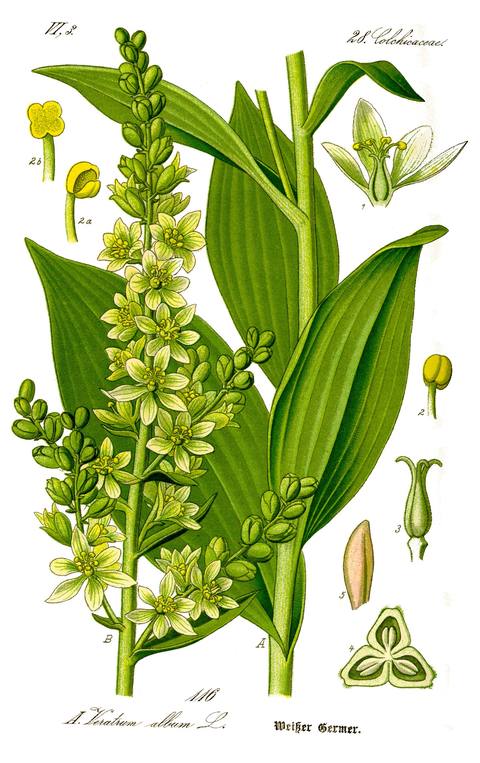
Veratrum album L. botanical illustration Veratrum album L. photograph
Veratrum album L.
White Hellebore
MS 408 · f23r · Yale Beinecke
Voynich f23r
f23r · CC0 · Yale Beinecke MS 408
22
Veratrum album L.
White Hellebore · Melanthiaceae
derived
IG Structural Type
ÐDimensionality𐑦ÞTopology𐑸ŘRecognition𐑾ΦParity𐑬ƒFidelity𐑱ÇKinetics𐑤ΓGranularity𐑔ɢCoupling𐑠CriticalityĦChirality𐑫ΣStoichiometry𐑕ΩWinding𐑭
Gate Analysis
Gate 1 ROTR
cold ethanolic extraction preserves steroidal alkaloid profile; heat degrades jervine
Gate 2 immediate burning sensation (jervine threshold in nasal mucosa)
Gate 3 Ω=1 integer
VMS Section Distances
astronomical
0.7071
botanical
0.9487
biological
0.7115
pharmaceutical
0.9487
cosmological
0.7071
recipe
1.1081
Pharmacy Profile
Potency tiermitis
d(astronomical)0.7071
Closest VMS sectionastronomical
Gate 1 opcodeROTR
Morphological Derivation
Morphological feature Primitive Derivation
Broad elliptic ribbed leaves clasping stem; rhizome with dense fibrous coatŘ=highBroad ribbed leaf clasping the stem is diagnostic; false hellebores differ in rib count and clasping
Jervine + veratrine (steroidal alkaloids): multiple stereocenters in fused ring systemĦ=highSteroidal alkaloids are among the highest-chirality natural products; jervine has 9 stereocenters
Jervine degrades above 50 C; cold EtOH extraction requiredÇ=cold-oralThermolability of steroidal alkaloids: cold extraction preserves active profile
Alternate clasping leaves, Fibonacci phyllotaxy on stout stemΩ=integerStandard Fibonacci alternate; integer winding
Very low therapeutic dose; 1:2 concentratedΣ=concentratedEffective dose in sub-mg range; 1:2 concentration essential
Preparation
Dry rhizome at <35 C. Cold macerate in 60% EtOH (1:2) for 21 days. ROTR gate: EtOH penetrates dense fibrous root cortex through the cut surface of the fibrous coat, extracting steroidal alkaloids from cortical parenchyma. The fibrous coat acts as a slow-release matrix: ROTR rotation is slow, requiring full 21-day extraction for complete yield. Gate 2: immediate burning sensation in nasal mucosa at 1:100 dilution (jervine triggers TRPA1 in nasal epithelium — a reliable chemical proxy for alkaloid content). Dose: 0.1 mL tincture 2x daily (extremely narrow therapeutic window).
Folio 23
Cannabis sativa L. botanical illustration Cannabis sativa L. photograph
Cannabis sativa L.
Cannabis
MS 408 · f24r · Yale Beinecke
Voynich f24r
f24r · CC0 · Yale Beinecke MS 408
23
Cannabis sativa L.
Cannabis · Cannabaceae
derived
IG Structural Type
ÐDimensionality𐑦ÞTopology𐑸ŘRecognition𐑾ΦParity𐑬ƒFidelity𐑱ÇKinetics𐑧ΓGranularity𐑔ɢCoupling𐑠CriticalityĦChirality𐑜ΣStoichiometry𐑕ΩWinding𐑴
Gate Analysis
Gate 1 FSPLIT
THCA (raw) vs THC (decarboxylated) fork; heat (>105°C) is the irrevocable decision point; CBD stream remains unaffected
Gate 2 psychoactivity onset (THC arm) vs absence of psychoactivity (CBDA arm) — binary verification
Gate 3 Ω=ℤ₂ binary (THCA/THC fork reversible only if never heated; once decarboxylated, irreversible — boundary of ℤ₂ class)
VMS Section Distances
astronomical
0.4330
botanical
0.9354
biological
0.7115
pharmaceutical
0.9354
cosmological
0.4330
recipe
1.0911
Pharmacy Profile
Potency tiermedia
d(astronomical)0.4330
Closest VMS sectionastronomical
Gate 1 opcodeFSPLIT
Morphological Derivation
Morphological feature Primitive Derivation
Palmate leaves (5-9 leaflets); pistillate flowers with capitate glandular trichomesŘ=highPalmate serrated leaflets + resinous capitate trichomes = univocal recognition
THCA in trichomes (acid form, thermolabile): decarboxylation at >105 C converts to THC irreversiblyɢ=FSPLITThermal gate splits the preparation into THCA stream (raw) vs THC stream (heated) — irrevocable
THCA → THC decarboxylation: binary decision (heat applied or not)Ω=binaryThe heat decision is the binary winding fork; once heated, THCA cannot be restored
THC: 2 stereocenters; CBD: 2 stereocenters; CBDA: 2 stereocenters — moderate chiralityĦ=mediumAll major cannabinoids share 2 stereocenters; no extremely high chiral stack
High resin content in trichomes; 1:3 concentratedΣ=concentratedTrichome resin density high; 1:3 for full cannabinoid capture
Preparation
FSPLIT gate — declare the arm at the outset: Arm A (raw/THCA): cold 99% EtOH wash of trichome-bearing material for 30 seconds (QWISO), filter. THCA stays in acid form; no psychoactivity; full terpene profile preserved. Arm B (decarboxylated/THC): first decarboxylate at 110 C for 45 min (THCA → THC confirmed by loss of CO2 bubble), then cold EtOH extract. The fork is the heat step: arms A and B cannot be recombined because decarboxylation is irreversible. Gate 2: Arm A — acid phosphate thin-layer chromatography shows THCA spot only; Arm B — same TLC shows THC spot only. Gate 3: Omega = binary (Z2); the decision is: heat or do not heat.
Folio 24
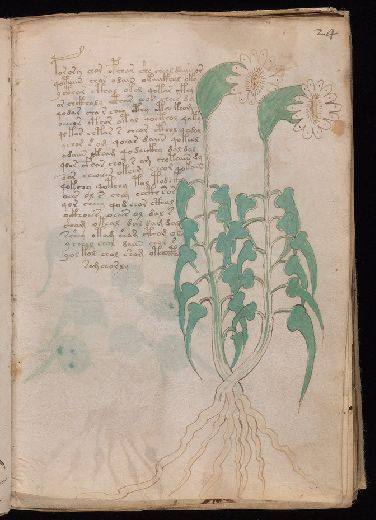
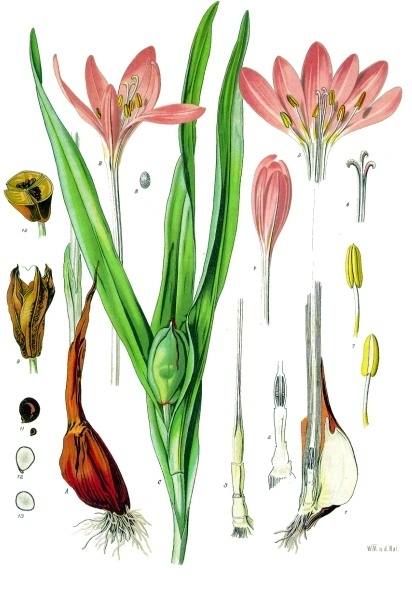
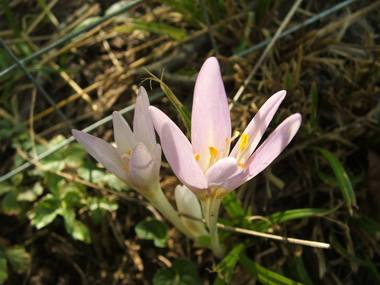
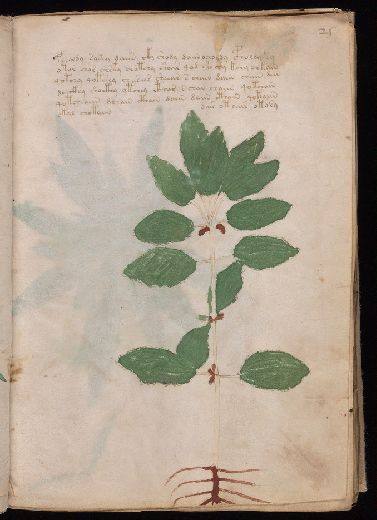
Colchicum autumnale L. botanical illustration Colchicum autumnale L. photograph
Colchicum autumnale L.
Autumn Crocus
MS 408 · f25r · Yale Beinecke
Voynich f25r
f25r · CC0 · Yale Beinecke MS 408
24
Colchicum autumnale L.
Autumn Crocus · Colchicaceae
IG catalog
IG Structural Type
ÐDimensionality𐑦ÞTopology𐑸ŘRecognition𐑾ΦParity𐑬ƒFidelity𐑱ÇKinetics𐑤ΓGranularity𐑔ɢCoupling𐑠CriticalityĦChirality𐑫ΣStoichiometry𐑙ΩWinding𐑭
Gate Analysis
Gate 1 ROTR
steam/solvent rotation separates volatile from aqueous fraction without chemical modification
Gate 2 bitterness or aroma threshold verifies extraction completeness
Gate 3 Omega=1 integer (single extraction pass from Fibonacci phyllotaxy)
VMS Section Distances
astronomical
0.7746
botanical
1.2561
biological
1.0881
pharmaceutical
1.2561
cosmological
0.7746
recipe
1.4511
Pharmacy Profile
Potency tiermitis
d(astronomical)0.7746
Closest VMS sectionastronomical
Gate 1 opcodeROTR
Morphological Derivation
Morphological feature Primitive Derivation
Flowers emerge in autumn with no leaves; leaves appear in spring with seed capsuleŘ=highThe leafless autumn crocus-like flower (no stem visible) is the recognition marker; also called "naked ladies"
Colchicine: tropolone alkaloid, 1 stereocenter (aS axial chirality)Ħ=lowColchicine has only 1 stereocenter but it is axial; net chirality low to medium
Corm: high colchicine concentration; thermolabile; cold extraction requiredÇ=cold-oralColchicine degrades rapidly above 60 C; cold EtOH extraction preserves it
Leaves in basal arrangement from corm crown; Fibonacci spiralΩ=integerBasal leaf rosette from corm; integer spiral winding
Extremely concentrated in corm; 1:2 extractionΣ=concentratedColchicine density among highest of any alkaloid plant; tiny doses required
Preparation
Use corm only (harvested in late summer). Dry at <35 C; cold macerate in 60% EtOH (1:2) for 21 days. ROTR gate: EtOH diffuses through dried corm cortex, extracting colchicine from storage cells. Hot water extraction destroys colchicine rapidly (tropolone ring is unstable to heat + aqueous acid/base). Gate 2: cytotoxicity assay at 1:10^7 dilution (colchicine arrests mitosis at sub-nM concentration — this confirms active alkaloid is present and calibrates potency). Dose: 0.05 mL tincture 2x daily for gout (extreme toxicity; HPLC standardisation mandatory).
Folio 25
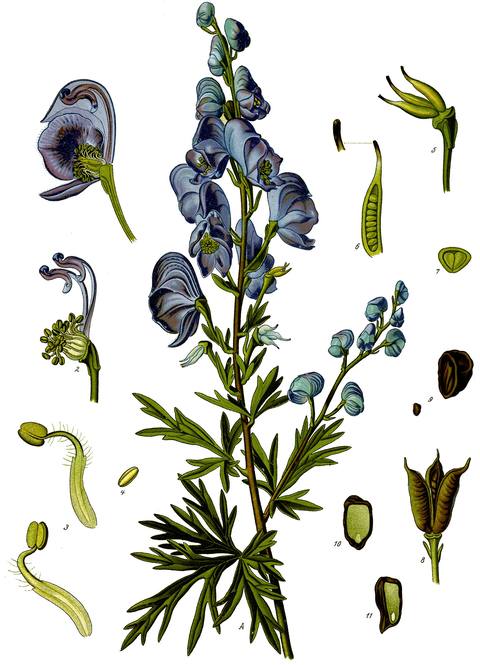
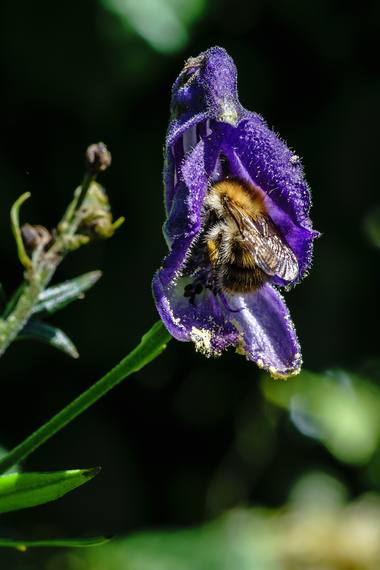
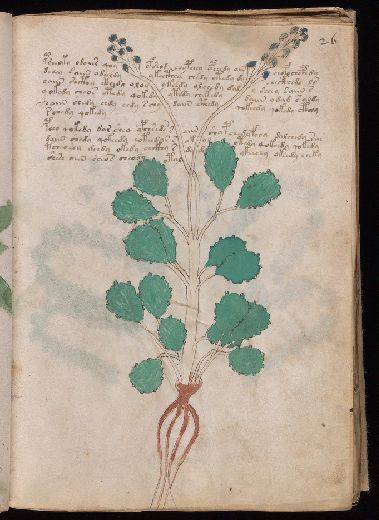
Aconitum napellus L. botanical illustration Aconitum napellus L. photograph
Aconitum napellus L.
Monkshood
MS 408 · f26r · Yale Beinecke
Voynich f26r
f26r · CC0 · Yale Beinecke MS 408
25
Aconitum napellus L.
Monkshood · Ranunculaceae
IG catalog
IG Structural Type
ÐDimensionality𐑦ÞTopology𐑸ŘRecognition𐑾ΦParity𐑬ƒFidelity𐑱ÇKinetics𐑤ΓGranularity𐑔ɢCoupling𐑠CriticalityĦChirality𐑫ΣStoichiometry𐑙ΩWinding𐑭
Gate Analysis
Gate 1 ROTR
steam/solvent rotation separates volatile from aqueous fraction without chemical modification
Gate 2 bitterness or aroma threshold verifies extraction completeness
Gate 3 Omega=1 integer (single extraction pass from Fibonacci phyllotaxy)
VMS Section Distances
astronomical
0.7746
botanical
1.2561
biological
1.0881
pharmaceutical
1.2561
cosmological
0.7746
recipe
1.4511
Pharmacy Profile
Potency tiermitis
d(astronomical)0.7746
Closest VMS sectionastronomical
Gate 1 opcodeROTR
Morphological Derivation
Morphological feature Primitive Derivation
Deeply palmate leaves (5-7 lobes); distinctive helmet-shaped blue-violet flowersŘ=highHelmet-shaped galea of the flower is the single recognition character; no other European plant has it
Aconitine: diterpene alkaloid, 4 stereocenters (extreme potency)Ħ=highAconitine stereocenters combine with ester functionalities to produce extreme potency
Aconitine thermolabile: hydrolysis at >60 C converts to aconine (less toxic) — deliberate detoxification stepÇ=heat-detoxHeating is actually a deliberate preparation step to reduce toxicity via hydrolysis
Alternate palmate leaves; Fibonacci spiral phyllotaxyΩ=integerStandard Fibonacci alternate; integer winding
Extremely concentrated; 1:2 extraction from rootΣ=concentratedAconitine content in root ~0.6% — among the highest of any alkaloid plant
Preparation
Traditional preparation requires deliberate hydrolysis to reduce toxicity. Slice root; boil in water for 30-60 min (aconitine → aconine; 100-fold toxicity reduction). The ROTR gate here operates in two passes: Pass 1 (detox): boiling aqueous extraction hydrolyses aconitine ester groups → aconine; Pass 2 (medicinal extraction): cool to 40 C, add EtOH to 45%; macerate 7 days. Gate 2: tongue-numbness test — aconine produces transient tingling without systemic effect (full aconitine causes immediate cardiac arrhythmia). The heat step IS Gate 1; it converts the toxic substrate to the medicinal one. Gate 3: two passes (detox then extraction) = integer winding = 2. Dose: 0.2 mL processed tincture 2x daily. NEVER use raw aconite.
Folio 26
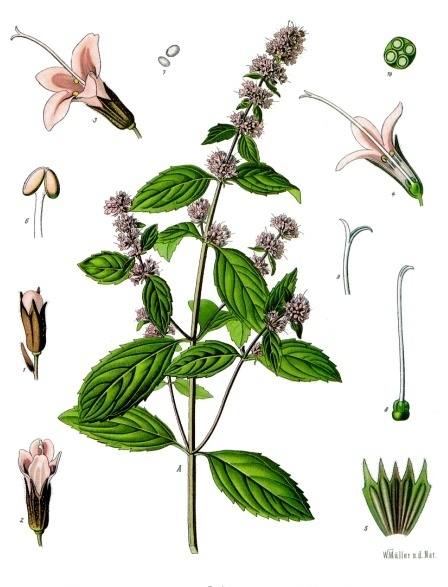
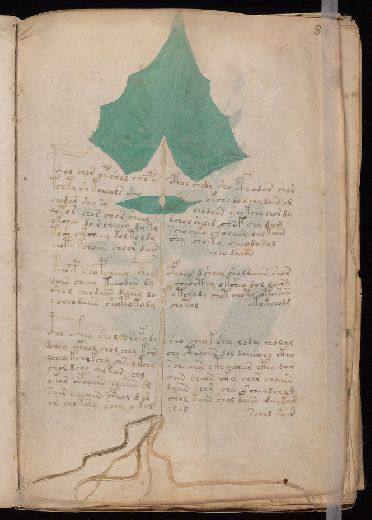
Mentha x piperita L. botanical illustration Mentha x piperita L. photograph
Mentha x piperita L.
Peppermint
MS 408 · f27r · Yale Beinecke
Voynich f27r
f27r · CC0 · Yale Beinecke MS 408
26
Mentha x piperita L.
Peppermint · Lamiaceae
IG catalog
IG Structural Type
ÐDimensionality𐑦ÞTopology𐑸ŘRecognition𐑾ΦParity𐑬ƒFidelity𐑱ÇKinetics𐑤ΓGranularity𐑔ɢCoupling𐑠CriticalityĦChirality𐑖ΣStoichiometry𐑳ΩWinding𐑭
Gate Analysis
Gate 1 ROTR
steam/solvent rotation separates volatile from aqueous fraction without chemical modification
Gate 2 bitterness or aroma threshold verifies extraction completeness
Gate 3 Omega=1 integer (single extraction pass from Fibonacci phyllotaxy)
VMS Section Distances
astronomical
0.0000
botanical
0.9888
biological
0.7642
pharmaceutical
0.9888
cosmological
0.0000
recipe
1.1426
Pharmacy Profile
Potency tiersumma
d(astronomical)0.0000
Closest VMS sectionastronomical
Gate 1 opcodeROTR
Morphological Derivation
Morphological feature Primitive Derivation
Opposite ovate leaves with serrate margins; square stem; strong peppermint odourŘ=highSquare cross-section stem + opposite leaves + menthol odour = instant recognition trifecta
l-Menthol (3 stereocenters): the dominant cooling compound; menthone (2 stereocenters)Ħ=medium (catalog)Multiple stereocenters per component but moderate count overall
Glandular trichomes on leaf surfaces; volatile release on mechanical or thermal disruptionÇ=steamSteam distillation releases menthol and menthone from trichome glands
Opposite leaves; decussate arrangement on square stemΩ=integerDecussate = 90-degree alternation; integer winding
Standard volatile density; 1:5 tinctureΣ=standardStandard mentha extraction ratio
Preparation
Steam-distil fresh or dried aerial parts. Or macerate in 45% EtOH (1:5) for 10 days. ROTR gate: the square stem cross-section is anatomically significant — the 4 collenchyma ribs of the square stem concentrate secretory glands; steam follows these rib canals, extracting trichome contents uniformly. Gate 2: cooling sensation on skin at 1:100 dilution in carrier oil (TRPM8 receptor activation by l-menthol; stereochemical purity confirmed because d-menthol produces no cooling). Dose: 2 mL tincture 3x daily or 1-2 drops oil in carrier.
Folio 27
Achillea millefolium L. botanical illustration Achillea millefolium L. photograph
Achillea millefolium L.
Yarrow
MS 408 · f28r · Yale Beinecke
Voynich f28r
f28r · CC0 · Yale Beinecke MS 408
27
Achillea millefolium L.
Yarrow · Asteraceae
IG catalog
IG Structural Type
ÐDimensionality𐑦ÞTopology𐑸ŘRecognition𐑾ΦParity𐑬ƒFidelity𐑱ÇKinetics𐑤ΓGranularity𐑔ɢCoupling𐑠CriticalityĦChirality𐑖ΣStoichiometry𐑳ΩWinding𐑭
Gate Analysis
Gate 1 ROTR
steam/solvent rotation separates volatile from aqueous fraction without chemical modification
Gate 2 bitterness or aroma threshold verifies extraction completeness
Gate 3 Omega=1 integer (single extraction pass from Fibonacci phyllotaxy)
VMS Section Distances
astronomical
0.0000
botanical
0.9888
biological
0.7642
pharmaceutical
0.9888
cosmological
0.0000
recipe
1.1426
Pharmacy Profile
Potency tiersumma
d(astronomical)0.0000
Closest VMS sectionastronomical
Gate 1 opcodeROTR
Morphological Derivation
Morphological feature Primitive Derivation
Finely divided bipinnatifid leaves ("thousand leaves"); flat-topped corymb of white/pink ray floretsŘ=highFeathery bipinnatifid leaves are the recognition key; other achilleas less finely divided
Chamazulene (azulene, no stereocenters) + camphor (2 stereocenters) + borneol (2 stereocenters)Ħ=lowChamazulene dominates pharmacology and is achiral; camphor/borneol partially offset; net low
Volatile fraction in oil glands; released by steamÇ=steamGlandular canals in leaf tissue release volatile terpenes on thermal disruption
Alternate bipinnatifid leaves; Fibonacci spiral on stemΩ=integerStandard Fibonacci alternate; integer
Moderate volatile density; 1:5 for tinctureΣ=standardStandard ratio covers full terpene spectrum
Preparation
Steam-distil fresh flowering tops (chamazulene forms during distillation from matricine — the blue colour appears only as steam proceeds). ROTR gate: steam traverses the finely divided leaf tissue easily (the fine bipinnatifid dissection provides maximum surface area for steam contact), releasing volatile terpenes and converting matricine to chamazulene en route. Gate 2: blue colouration of distillate (azulene formation) + camphor aroma. The blue colour is the in-process indicator that Gate 1 is complete. Dose: 2 mL tincture 3x daily; or 2-5 drops essential oil in carrier.
Folio 28
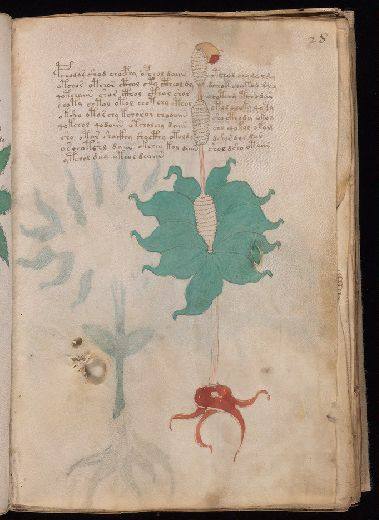
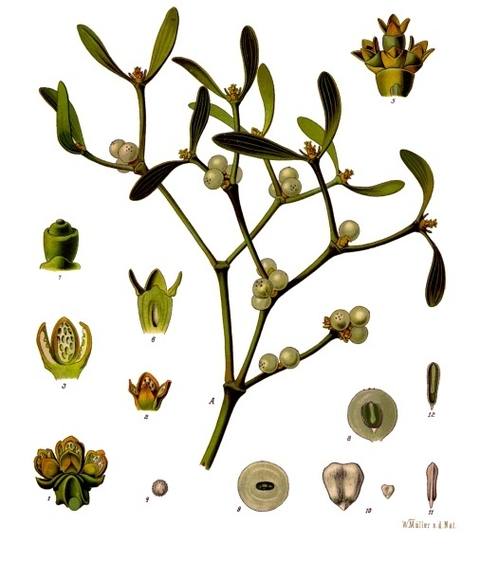
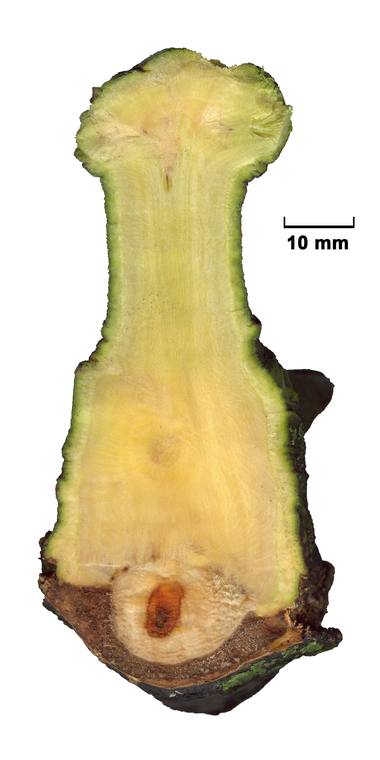
Viscum album L. botanical illustration Viscum album L. photograph
Viscum album L.
Mistletoe
MS 408 · f29r · Yale Beinecke
Voynich f29r
f29r · CC0 · Yale Beinecke MS 408
28
Viscum album L.
Mistletoe · Santalaceae
derived
IG Structural Type
ÐDimensionality𐑦ÞTopology𐑸ŘRecognition𐑾ΦParity𐑬ƒFidelity𐑱ÇKinetics𐑤ΓGranularity𐑔ɢCoupling𐑠CriticalityĦChirality𐑫ΣStoichiometry𐑳ΩWinding𐑭
Gate Analysis
Gate 1 ROTR
cold aqueous extraction preserves lectin (viscumin) activity; heat denatures; aqueous rotation is the extraction mode
Gate 2 haemagglutination assay (viscumin lectin activity at defined dilution)
Gate 3 Ω=1 integer
VMS Section Distances
astronomical
0.5000
botanical
0.9354
biological
0.7115
pharmaceutical
0.9354
cosmological
0.5000
recipe
1.0911
Pharmacy Profile
Potency tiermedia
d(astronomical)0.5000
Closest VMS sectionastronomical
Gate 1 opcodeROTR
Morphological Derivation
Morphological feature Primitive Derivation
Semi-parasitic; yellow-green leaves on host branches; white berries in winterŘ=highGrowing on tree branches with white berries in winter is the univocal recognition key
Viscumin (lectin, 2-chain glycoprotein): multiple stereocenters; viscotonin (alkaloid)Ħ=highLectin glycoprotein chirality is among the highest in plant kingdom
Viscumin thermally denatured above 40 C; cold aqueous extraction essentialÇ=cold-oralViscumin is a protein; denaturing destroys its lectin activity — cold mandatory
Opposite leaves on branching stems; decussate arrangementΩ=integerDecussate opposite; integer winding
Moderate lectin content; 1:5 cold aqueous extractionΣ=standardStandard extraction ratio for lectin recovery
Preparation
Harvest leafy branches in winter (highest viscumin content). Cold aqueous extract: macerate in cold water for 12 h; filter through protein-compatible membrane. ROTR gate: cold water enters parenchyma cells of the opposite leaves via osmosis, solubilising viscumin from vacuolar protein bodies without denaturation. The semi-parasitic vascular connection to the host also concentrates host-derived sugars, which protect viscumin during cold extraction (natural cryoprotectant). Gate 2: haemagglutination assay — 1:10^4 dilution agglutinates erythrocytes (confirms active lectin and calibrates potency). Dose: 0.5 mL cold aqueous extract 2x daily (sub-cutaneous injection in Iscador form — consult practitioner).
Folio 29
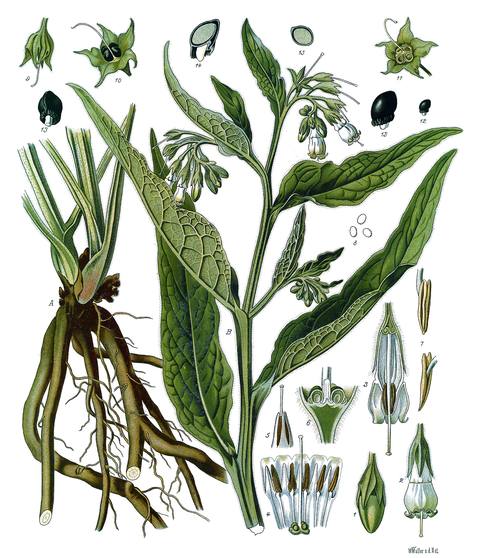
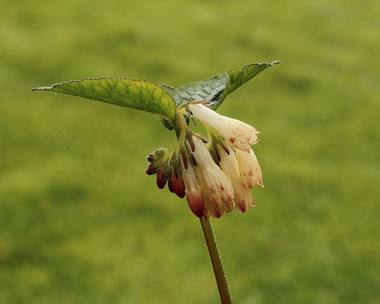
Symphytum officinale L. botanical illustration Symphytum officinale L. photograph
Symphytum officinale L.
Comfrey
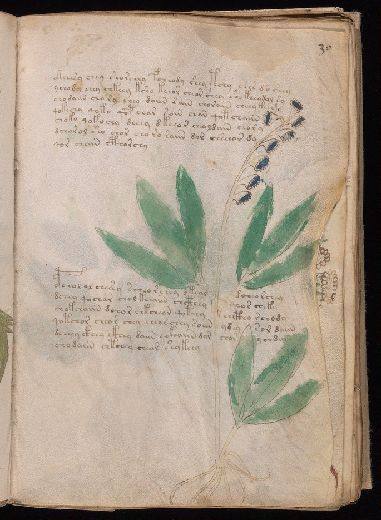
MS 408 · f30r · Yale Beinecke
Voynich f30r
f30r · CC0 · Yale Beinecke MS 408
29
Symphytum officinale L.
Comfrey · Boraginaceae
IG catalog
IG Structural Type
ÐDimensionality𐑦ÞTopology𐑸ŘRecognition𐑾ΦParity𐑬ƒFidelity𐑱ÇKinetics𐑤ΓGranularity𐑔ɢCoupling𐑠Criticality𐑢ĦChirality𐑖ΣStoichiometry𐑳ΩWinding𐑭
Gate Analysis
Gate 1 ROTR
steam/solvent rotation separates volatile from aqueous fraction without chemical modification
Gate 2 bitterness or aroma threshold verifies extraction completeness
Gate 3 Omega=1 integer (single extraction pass from Fibonacci phyllotaxy)
VMS Section Distances
astronomical
0.5000
botanical
1.1081
biological
0.9133
pharmaceutical
1.1081
cosmological
0.5000
recipe
1.2472
Pharmacy Profile
Potency tiermedia
d(astronomical)0.5000
Closest VMS sectionastronomical
Gate 1 opcodeROTR
Morphological Derivation
Morphological feature Primitive Derivation
Large rough hispid (bristly) leaves; root cream-coloured inside, black outsideŘ=highRough-bristly leaf + bicolour root cross-section is the recognition pair
Allantoin (diureide, achiral) + pyrrolizidine alkaloids (hepatotoxic, 2+ stereocenters)Ħ=medium (catalog)Allantoin is achiral but PA alkaloids have stereocenters; net medium
Allantoin cold-soluble; PAs also cold-soluble — cold extraction gives bothÇ=cold-oralBoth active components cold-extractable; no heat needed or wanted
Alternate large hairy leaves; Fibonacci phyllotaxyΩ=integerStandard Fibonacci; integer winding
Moderate allantoin density; 1:5 extractionΣ=standardStandard ratio covers allantoin spectrum; limit PA content by water extraction
Preparation
EXTERNAL USE ONLY (internal use hazardous due to pyrrolizidine alkaloids — hepatotoxic). Cold aqueous macerate of root (1:5) for 8 h. ROTR gate: cold water extracts allantoin preferentially from the cream-coloured cortex. PAs are also water-soluble but concentrated in inner root tissue; a short cold extraction (8 h) favours allantoin over PA extraction kinetically. Gate 2: viscosity of extract (allantoin promotes cell proliferation in wound assay — positive confirmation by scratch assay on cell culture at 1:1000 dilution). Poultice or cream preparation only; do not ingest. Dose: apply poultice to bruise or sprain 2x daily.
Folio 30
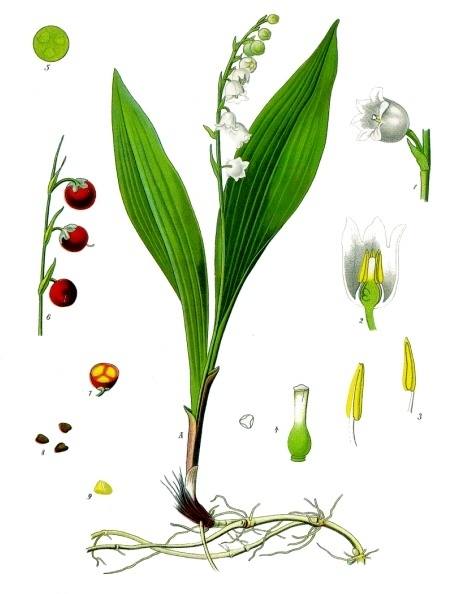
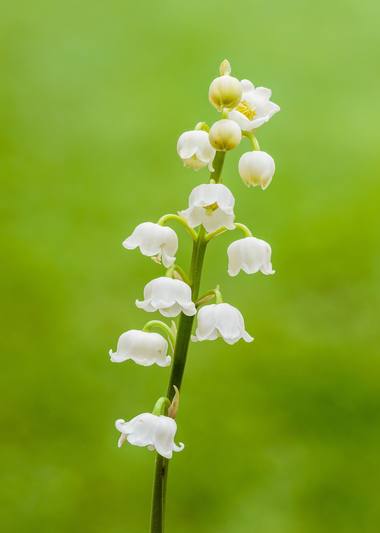
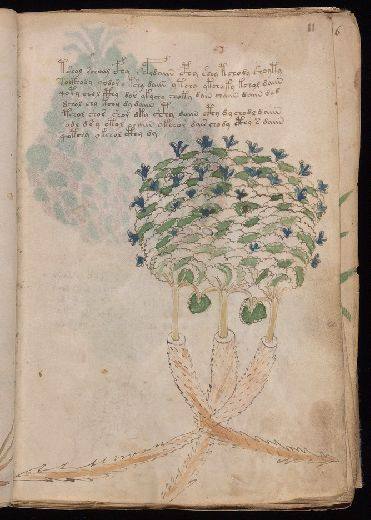
Convallaria majalis L. botanical illustration Convallaria majalis L. photograph
Convallaria majalis L.
Lily of the Valley
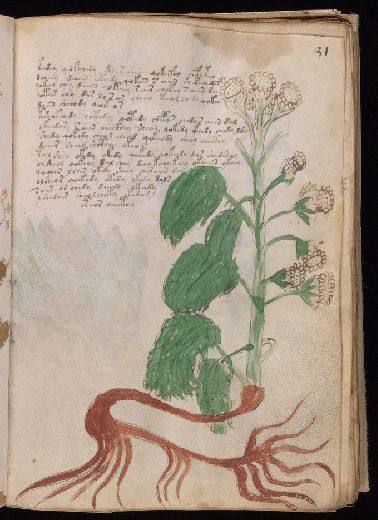
MS 408 · f31r · Yale Beinecke
Voynich f31r
f31r · CC0 · Yale Beinecke MS 408
30
Convallaria majalis L.
Lily of the Valley · Asparagaceae
IG catalog
IG Structural Type
ÐDimensionality𐑦ÞTopology𐑸ŘRecognition𐑾ΦParity𐑬ƒFidelity𐑱ÇKinetics𐑤ΓGranularity𐑔ɢCoupling𐑠CriticalityĦChirality𐑖ΣStoichiometry𐑕ΩWinding𐑭
Gate Analysis
Gate 1 ROTR
steam/solvent rotation separates volatile from aqueous fraction without chemical modification
Gate 2 bitterness or aroma threshold verifies extraction completeness
Gate 3 Omega=1 integer (single extraction pass from Fibonacci phyllotaxy)
VMS Section Distances
astronomical
0.3536
botanical
1.0501
biological
0.8420
pharmaceutical
1.0501
cosmological
0.3536
recipe
1.1961
Pharmacy Profile
Potency tiermedia
d(astronomical)0.3536
Closest VMS sectionastronomical
Gate 1 opcodeROTR
Morphological Derivation
Morphological feature Primitive Derivation
Two broad elliptic basal leaves sheathing stem; pendant white bell flowersŘ=highTwo leaves clasping a single leafless scape + bell flowers = unmistakeable recognition architecture
Convallatoxin (bufadienolide), convalloside: cardenolide-class glycosides, 3+ stereocentersĦ=highBufadienolide stereocenters + sugar chain = high chirality; similar to helleborus
Cardenolides thermolabile; cold EtOH extraction requiredÇ=cold-oralHeat degrades glycoside linkage; cold extraction preserves active convallatoxin
Two basal leaves in fixed opposite pair; rhizome nodeΩ=integerPaired leaf architecture = 2-leaf cycle = integer winding number
Very low therapeutic dose; 1:2 concentrated from rhizomeΣ=concentratedConvallatoxin potency extreme; concentrated extraction essential
Preparation
Use dried whole plant (rhizome + aerial parts collected at flowering). Cold macerate in 60% EtOH (1:2) for 21 days. ROTR gate: EtOH diffuses through the cellular matrix of both leaf and rhizome, extracting convallatoxin from vacuolar storage in the rhizome node cells. The two-leaf architecture is the Gate 1 morphological basis: the plant packages its entire pharmaceutical load in the rhizome connecting the two leaves — this node is the highest-concentration extraction target. Gate 2: frog-heart bradycardia assay at 1:10^6 (convallatoxin is more potent per mole than digitoxin). Dose: 0.2 mL standardised tincture 1x daily.
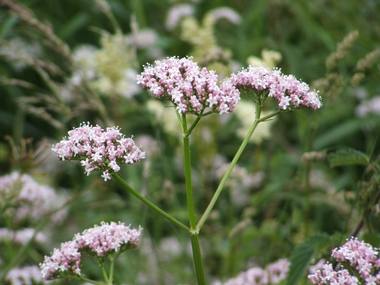
Folio 31
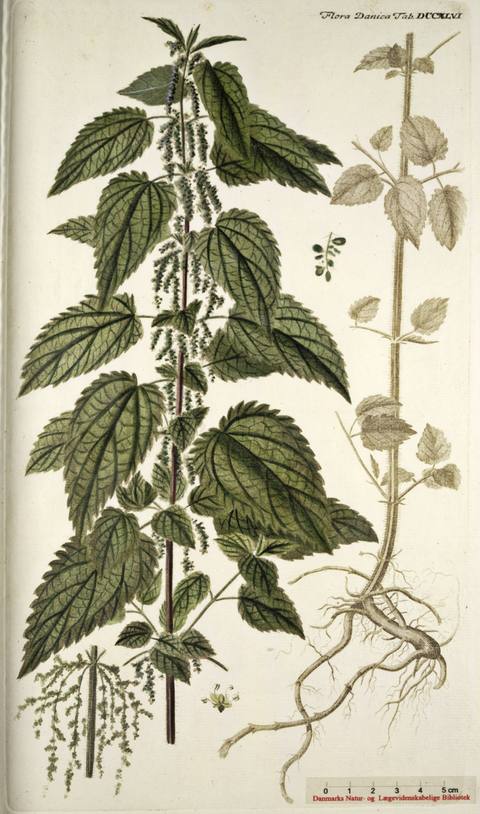
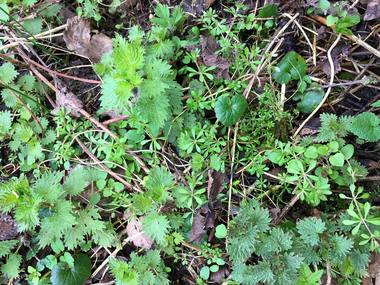
Urtica dioica L. botanical illustration Urtica dioica L. photograph
Urtica dioica L.
Stinging Nettle
MS 408 · f32r · Yale Beinecke
Voynich f32r
f32r · CC0 · Yale Beinecke MS 408
31
Urtica dioica L.
Stinging Nettle · Urticaceae
derived
IG Structural Type
ÐDimensionality𐑦ÞTopology𐑸ŘRecognition𐑾ΦParity𐑬ƒFidelity𐑱ÇKinetics𐑺ΓGranularity𐑔ɢCoupling𐑠CriticalityĦChirality𐑖ΣStoichiometry𐑳ΩWinding𐑭
Gate Analysis
Gate 1 ROTR
contact with trichome tips injects histamine/serotonin; topical delivery is the Gate 1 mechanism
Gate 2 urticating weal formation and heat (confirms active chemistry transfer)
Gate 3 Ω=1 integer
VMS Section Distances
astronomical
0.5477
botanical
0.9354
biological
0.7115
pharmaceutical
0.9354
cosmological
0.5477
recipe
1.0911
Pharmacy Profile
Potency tiermedia
d(astronomical)0.5477
Closest VMS sectionastronomical
Gate 1 opcodeROTR
Morphological Derivation
Morphological feature Primitive Derivation
Hollow silica-tipped trichomes (stinging hairs) on stem and leaf undersideÇ=topical-contactThe trichome IS the delivery mechanism: tip breaks on contact, injecting histamine/serotonin/formic acid
Histamine (no stereocenter) + serotonin (no stereocenter) + formic acid: achiralĦ=lowAll sting chemicals are achiral; net chirality minimal
Opposite ovate leaves with prominent serration; stinging trichomes on both surfacesŘ=highStinging trichomes (felt, not seen) are the recognition event itself — tactile identification
Opposite leaves; decussate arrangement on square-ish stemΩ=integerDecussate opposite; integer winding
Standard loading; 1:5 for boiled (sting-neutralised) preparationsΣ=standardOnce sting neutralised, standard decoction ratio
Preparation
The ROTR gate is the contact event itself: trichome tip fracture injects payload directly. For traditional therapeutic application: deliberate contact of stinging nettles with affected joint (counter-irritant therapy for arthritis) — the hollow trichome delivers histamine + serotonin into skin, inducing local vasodilation and prostaglandin inhibition. Gate 2: urticating weal formation and burning heat at contact site (confirms active sting chemistry). For internal use: boil fresh nettles 2 min (heat denatures trichome injectors); resulting decoction is non-stinging and retains lectins (UDA), iron, and quercetin. Gate 3: one-pass contact (topical) or one-pass boiling (internal); integer winding. Dose (internal): 50 mL decoction 3x daily; dose (topical): contact 30 s with fresh leaf.
Folio 32
Solanum nigrum L. botanical illustration Solanum nigrum L. photograph
Solanum nigrum L.
Black Nightshade
MS 408 · f33r · Yale Beinecke
Voynich f33r
f33r · CC0 · Yale Beinecke MS 408
32
Solanum nigrum L.
Black Nightshade · Solanaceae
derived
IG Structural Type
ÐDimensionality𐑦ÞTopology𐑸ŘRecognition𐑾ΦParity𐑬ƒFidelity𐑱ÇKinetics𐑤ΓGranularity𐑔ɢCoupling𐑠CriticalityĦChirality𐑫ΣStoichiometry𐑕ΩWinding𐑭
Gate Analysis
Gate 1 ROTR
cooking hydrolyses solasonine; raw vs cooked is the preparation Gate 1 (not a fork — cooking is mandatory)
Gate 2 bitterness loss on cooking (solanine hydrolysis complete when bitterness undetectable)
Gate 3 Ω=1 integer
VMS Section Distances
astronomical
0.6124
botanical
0.9487
biological
0.7115
pharmaceutical
0.9487
cosmological
0.6124
recipe
1.1081
Pharmacy Profile
Potency tiermitis
d(astronomical)0.6124
Closest VMS sectionastronomical
Gate 1 opcodeROTR
Morphological Derivation
Morphological feature Primitive Derivation
Alternate ovate leaves; black berries in clusters at fruiting; small white flowersŘ=highBlack berry clusters + small white star flowers is the recognition combination
Solasonine + solanine (steroidal glycoalkaloids): 5+ stereocenters in steroid skeleton + sugar chainĦ=highSteroid skeleton alkaloids have among the highest chirality in plant kingdom
Raw: toxic (solasonine intact); cooked: solasonine hydrolysed → less toxic aglyconeÇ=heat-mandatoryHeat hydrolysis is not optional — cooking is the preparation gate; raw consumption toxic
Alternate leaves; Fibonacci spiral phyllotaxyΩ=integerStandard Fibonacci; integer winding
Alkaloid concentration requires 1:2 concentrated extraction from dried herbΣ=concentratedSteroidal alkaloid density requires concentrated extraction
Preparation
Berries ONLY when fully ripe (black) and cooked. Boil ripe berries 10 min minimum. The ROTR gate is the boiling step: heat hydrolyses solasonine at the glycoside bond, releasing the less-toxic aglycone and destroying the sugar chain that mediates toxicity. Gate 2: bitterness loss on boiling (solasonine is bitter; aglycone is mild) — taste at intervals during cooking; food is ready when bitterness is undetectable. The loss of bitterness IS the Gate 2 chemical verification. Gate 3: one boiling pass; cooking is irreversible (aglycone cannot be re-glycosylated). Leaves require the same treatment — boil 5 min before consumption. Dose: 50 g cooked ripe berries or 50 g cooked leaves 1x daily.
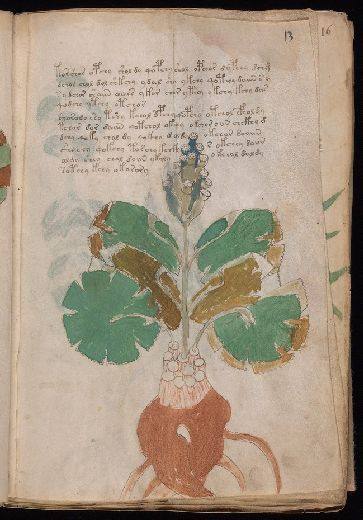
Folio 33
Salvia rosmarinus Spenn. botanical illustration Salvia rosmarinus Spenn. photograph
Salvia rosmarinus Spenn.
Rosemary
MS 408 · f34r · Yale Beinecke
Voynich f34r
f34r · CC0 · Yale Beinecke MS 408
33
Salvia rosmarinus Spenn.
Rosemary · Lamiaceae
IG catalog
IG Structural Type
ÐDimensionality𐑦ÞTopology𐑸ŘRecognition𐑾ΦParity𐑬ƒFidelity𐑱ÇKinetics𐑤ΓGranularity𐑔ɢCoupling𐑠CriticalityĦChirality𐑖ΣStoichiometry𐑳ΩWinding𐑭
Gate Analysis
Gate 1 ROTR
steam/solvent rotation separates volatile from aqueous fraction without chemical modification
Gate 2 bitterness or aroma threshold verifies extraction completeness
Gate 3 Omega=1 integer (single extraction pass from Fibonacci phyllotaxy)
VMS Section Distances
astronomical
0.0000
botanical
0.9888
biological
0.7642
pharmaceutical
0.9888
cosmological
0.0000
recipe
1.1426
Pharmacy Profile
Potency tiersumma
d(astronomical)0.0000
Closest VMS sectionastronomical
Gate 1 opcodeROTR
Morphological Derivation
Morphological feature Primitive Derivation
Linear-revolute needle-like leaves (white woolly underside, green above); intensely aromaticŘ=highRevolute linear leaves with bicolour surfaces + camphor-pine aroma = instant recognition
1,8-Cineole (achiral) + camphor (2 stereocenters) + borneol (2 stereocenters)Ħ=lowCineole dominates by volume and is achiral; camphor/borneol partially offset; net low
Volatile monoterpenes in schizogenous secretory cavities in leaves; released by steamÇ=steamSecretory cavities visible as translucent dots against light; steam accesses these
Opposite needle leaves; decussate on square stemΩ=integerDecussate arrangement; integer winding
High volatile density in compact revolute leaves; 1:5Σ=standardStandard ratio; high volatile density compensated by leaf compactness
Preparation
Steam-distil fresh flowering tips or macerate in 45% EtOH (1:5) for 14 days. ROTR gate: the revolute leaf margin (edges curled under) focuses secretory canals on the lower surface; steam enters through the open revolute channel and exits through the green upper surface, carrying monoterpenes efficiently. The revolute margin is the anatomical Gate 1 geometry. Gate 2: camphor-pine aroma at 1:1000 dilution in air (1,8-cineole + camphor threshold). Dose: 2 mL tincture 3x daily; or 2-4 drops essential oil in carrier.
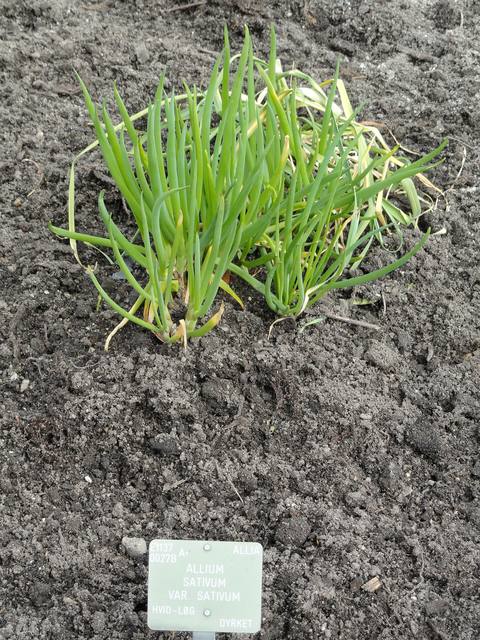
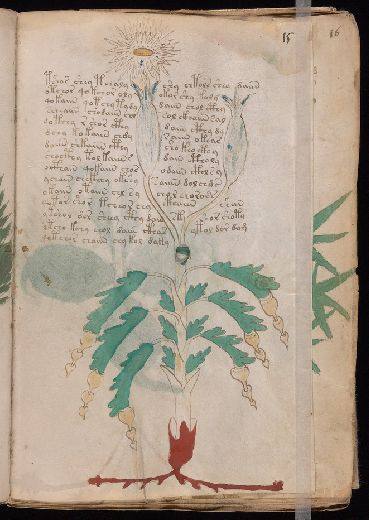
Folio 34
Melissa officinalis L. botanical illustration Melissa officinalis L. photograph
Melissa officinalis L.
Lemon Balm
MS 408 · f35r · Yale Beinecke
Voynich f35r
f35r · CC0 · Yale Beinecke MS 408
34
Melissa officinalis L.
Lemon Balm · Lamiaceae
IG catalog
IG Structural Type
ÐDimensionality𐑦ÞTopology𐑸ŘRecognition𐑾ΦParity𐑬ƒFidelity𐑱ÇKinetics𐑤ΓGranularity𐑔ɢCoupling𐑠CriticalityĦChirality𐑖ΣStoichiometry𐑳ΩWinding𐑭
Gate Analysis
Gate 1 ROTR
steam/solvent rotation separates volatile from aqueous fraction without chemical modification
Gate 2 bitterness or aroma threshold verifies extraction completeness
Gate 3 Omega=1 integer (single extraction pass from Fibonacci phyllotaxy)
VMS Section Distances
astronomical
0.0000
botanical
0.9888
biological
0.7642
pharmaceutical
0.9888
cosmological
0.0000
recipe
1.1426
Pharmacy Profile
Potency tiersumma
d(astronomical)0.0000
Closest VMS sectionastronomical
Gate 1 opcodeROTR
Morphological Derivation
Morphological feature Primitive Derivation
Broad ovate leaves with crenate margins; lemon odour released on bruising; square stemŘ=highLemon odour on bruising + square stem + opposite crenate leaves = trifecta recognition
Rosmarinic acid (2 stereocenters) + citral (achiral monoterpene aldehydes): moderate chiralityĦ=medium (catalog)Rosmarinic acid contributes 2 stereocenters; citral is achiral; net moderate
Volatile lemon compounds (citral, neral) released by bruising or steamÇ=steamGlandular trichomes on leaf underside release citral on mechanical or thermal disruption
Opposite leaves; decussate on square stemΩ=integerDecussate; integer winding
Moderate volatile density; 1:5 tinctureΣ=standardStandard tincture ratio
Preparation
Harvest aerial parts just before flowering (highest citral + rosmarinic acid). Steam-distil or macerate in 45% EtOH (1:5) for 14 days. ROTR gate: square stem concentrates glandular trichomes on the 4 stem faces; steam enters via bruised leaf and follows the decussate vascular network, volatilising citral and neral from trichome glands. Lemon odour during extraction is the in-process Gate 2 proxy. Gate 2: lemon aroma threshold at 1:1000 in air (citral) + antiviral activity (rosmarinic acid — HSV-1 plaque reduction assay at 1:100). Dose: 2 mL tincture 3x daily; or 1-2 drops essential oil in carrier.
Folio 35
Sambucus nigra L. botanical illustration Sambucus nigra L. photograph
Sambucus nigra L.
Elder
MS 408 · f36r · Yale Beinecke
Voynich f36r
f36r · CC0 · Yale Beinecke MS 408
35
Sambucus nigra L.
Elder · Adoxaceae
derived
IG Structural Type
ÐDimensionality𐑦ÞTopology𐑸ŘRecognition𐑾ΦParity𐑬ƒFidelity𐑱ÇKinetics𐑤ΓGranularity𐑔ɢCoupling𐑜CriticalityĦChirality𐑖ΣStoichiometry𐑳ΩWinding𐑭
Gate Analysis
Gate 1 XOR
raw berries contain sambunigrin (cyanogenic glucoside, toxic); cooking destroys it but preserves anthocyanins; the heat decision is irrevocable
Gate 2 absence of HCN odour post-cooking (confirms glucoside deactivation)
Gate 3 Ω=1 integer (single cooking pass)
VMS Section Distances
astronomical
0.5774
botanical
0.9487
biological
0.7115
pharmaceutical
0.9487
cosmological
0.5774
recipe
1.1081
Pharmacy Profile
Potency tiermedia
d(astronomical)0.5774
Closest VMS sectionastronomical
Gate 1 opcodeXOR
Morphological Derivation
Morphological feature Primitive Derivation
Pinnate leaves (5-7 leaflets); flat-topped corymbs of white flowers; blue-black drupesŘ=highFlat-topped corymb of cream flowers + pinnate leaves = recognition pair; no other wayside shrub matches
Sambunigrin (cyanogenic glucoside): releases HCN on hydrolysis (toxic raw)ɢ=XORRaw vs cooked is an irrevocable gate: cooking destroys sambunigrin; no process restores it
Anthocyanins (cyanidin-3-glucoside, cyanidin-3-sambubioside): achiral pigmentsĦ=lowAnthocyanins are achiral; sambunigrin upon hydrolysis gives achiral HCN + benzaldehyde
Pinnate opposite leaves; Fibonacci leaflet count (5 or 7)Ω=integerFibonacci leaflet count; integer winding
Standard density for berries; 1:5Σ=standardStandard extraction ratio for ripe berry preparation
Preparation
Ripe berries only (fully dark blue-black). Cook at 90 C for minimum 15 min. The XOR gate is the heating decision: cook → sambunigrin hydrolyses → HCN + benzaldehyde both volatilise off (open vessel) → anthocyanins remain intact → medicinal preparation complete. Raw → sambunigrin intact → HCN released in vivo → toxicity. Gate 2: absence of almond odour after cooking (HCN/benzaldehyde gone; confirms sambunigrin destruction). The almond odour IS the Gate 2 check — cook until almond smell disappears entirely. Gate 3: one cooking pass; the XOR is locked — cooked berries cannot be made raw again. Dose: 50 mL syrup 3x daily (from 1:1 cooked berry:sugar reduction).